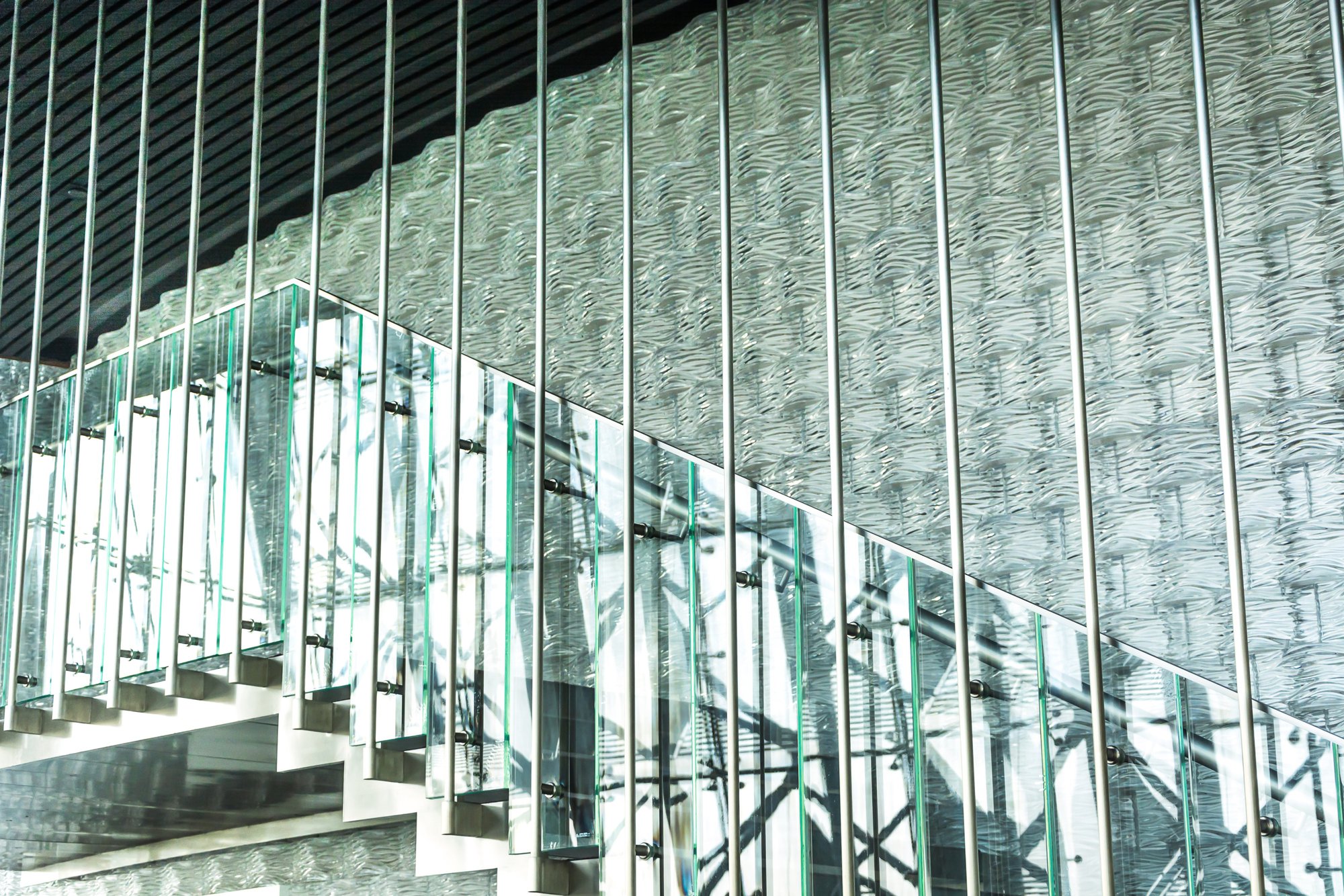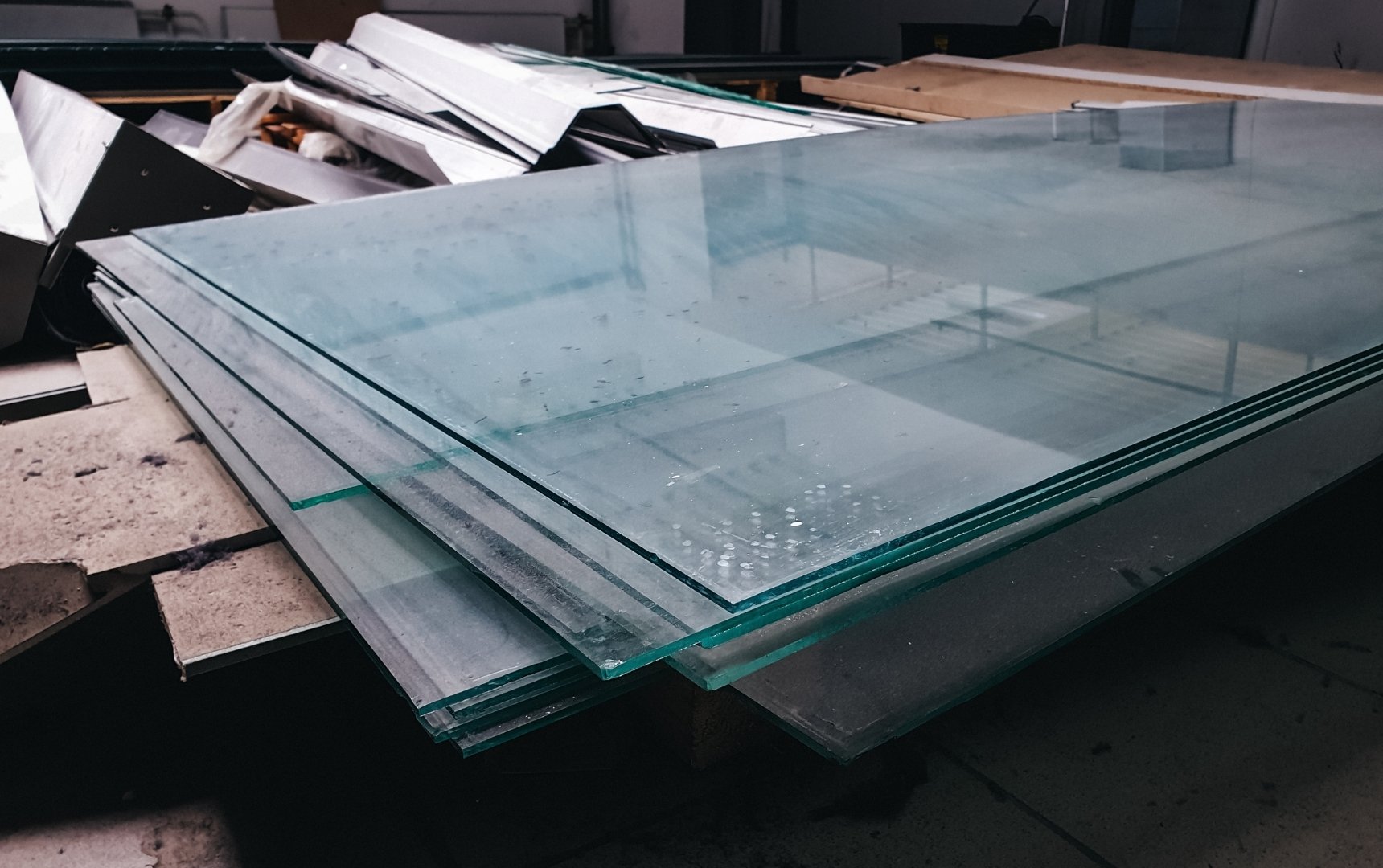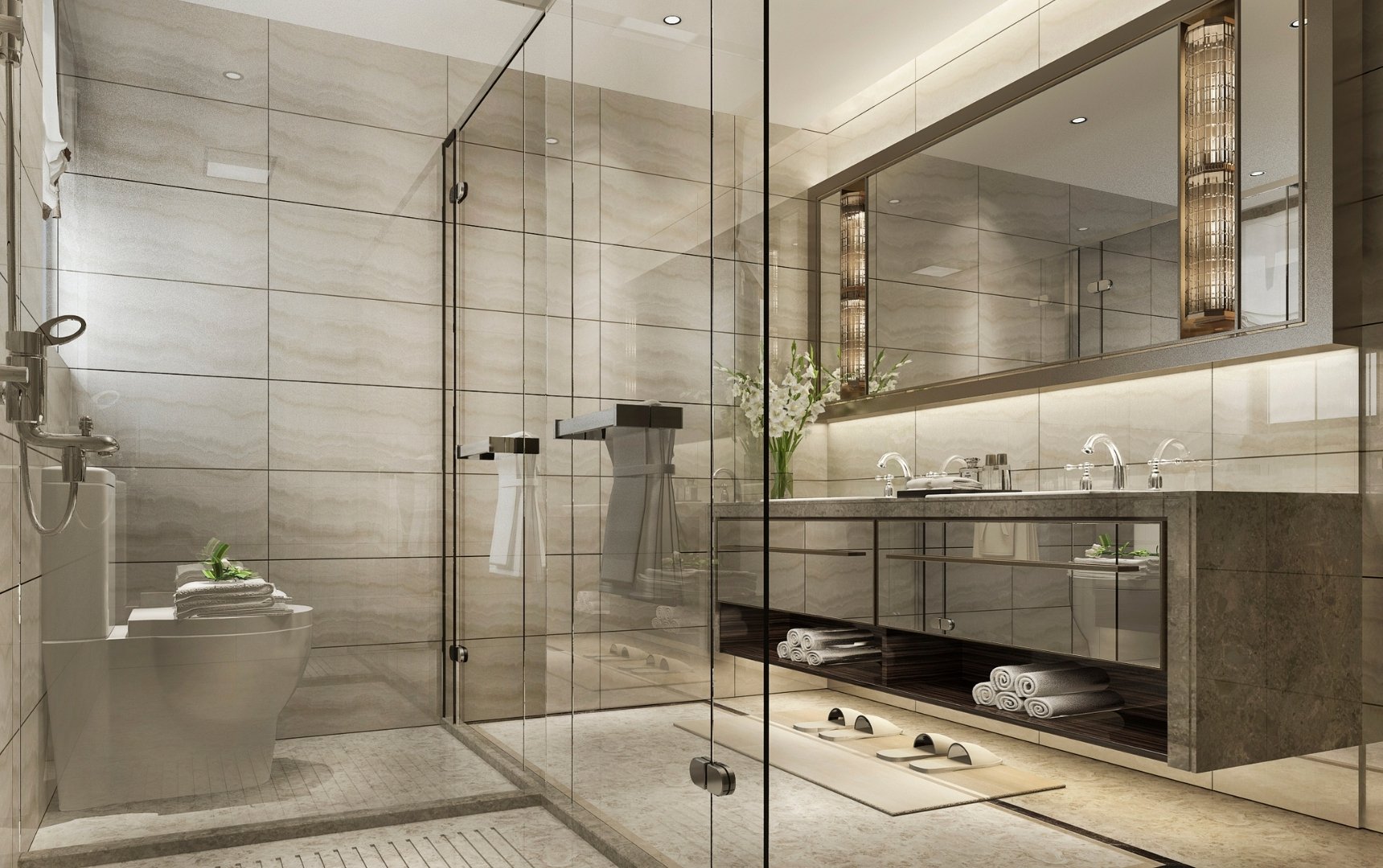
Glass selection in construction involves more than matching a dimension to an opening. Performance requirements, safety standards, and environmental conditions all shape which glazing product belongs in a given application. Laminated safety glass is one of the most versatile products available, offering impact resistance, security, sound control, and continued barrier protection after breakage. Knowing what laminated safety glass is, how it performs, and where it delivers the greatest benefit helps ensure the right product reaches the right application.
How Laminated Safety Glass Differs From Tempered Glass
Breakage characteristics. Tempered glass is significantly stronger than standard glass under normal conditions, but when it does break, it shatters completely into small, blunt fragments. Laminated glass cracks on impact but remains largely intact because the interlayer holds the pieces together. The cracked pane continues to span the opening even after breakage, maintaining a barrier between interior and exterior.
This post-breakage behavior is the most important functional difference between the two products and is what makes laminated glass the preferred choice in applications where a continued barrier is required after impact.
Performance differences. Tempered glass offers no meaningful resistance to forced entry once it breaks, because it disintegrates on impact. Laminated glass continues to resist penetration even after the glass layers crack, as the interlayer must also be breached before the opening is compromised.

For sound insulation and UV protection, laminated glass outperforms tempered glass, which offers neither acoustic benefit nor UV filtering on its own. After breakage, tempered glass provides no residual barrier, while laminated glass retains its position in the frame and continues to limit exposure to weather, wind, and debris.
Can laminated glass also be tempered? Yes. Laminated units can incorporate tempered glass as one or both of the glass layers. Tempered laminated glass combines the strength and fragment behavior of tempered glass with the retained-integrity characteristic of the laminated assembly. This combination is commonly used in overhead glazing, balustrades, hurricane-rated systems, and other applications where both high impact resistance and post-breakage fragment retention are required.
Where Laminated Safety Glass Is Best Used
Laminated safety glass is used across a wide range of commercial, institutional, and residential applications where occupant safety, security, or building performance are priorities. While its specific benefits vary by setting, the ability to retain broken glass fragments and provide an ongoing barrier after impact makes it well suited to the following applications.
Storefronts and Commercial Buildings
Laminated glass in storefronts provides meaningful resistance to smash-and-grab forced entry. A cracked laminated pane remains in the frame and continues to resist penetration, significantly increasing the time and effort required to breach the opening. The same retained-fragment behavior reduces the risk of glass falling onto pedestrians or occupants during an impact event, which is a relevant safety consideration in high-traffic commercial environments.
Skylights and Overhead Glazing
Overhead glazing is one of the most compelling applications for laminated safety glass. When glass breaks at height, falling fragments pose a serious risk to anyone below. A laminated skylight or overhead panel retains its broken pieces within the interlayer, preventing fragment fall. Building codes in most jurisdictions require laminated or laminated tempered glass for overhead glazing applications specifically because of this fragment retention behavior.
Hurricane- and Storm-Prone Areas
Laminated glass is a core component of impact-rated glazing systems designed for hurricane and severe storm conditions. Windborne debris travelling at high velocity during a storm event can breach standard glass, compromising the building envelope and dramatically increasing interior pressure.
Impact-rated laminated glass is engineered to resist debris penetration and maintain the building envelope even after the glass surface is cracked. Not all laminated glass meets hurricane impact ratings, and products intended for these applications must be tested and certified to applicable standards.
Schools, Hospitals, and Public Buildings
High-traffic public environments benefit from laminated glass in locations where accidental breakage, vandalism, or forced entry is a realistic risk. Post-breakage fragment retention reduces injury risk in busy corridors, entrance areas, and glazed partitions. The continued barrier provided by a cracked laminated pane also limits immediate security exposure in the event of an impact, giving occupants and facility managers time to respond.
Residential Windows and Doors
Laminated glass in residential applications offers a combination of security, noise reduction, and UV protection that standard or tempered glass alone does not provide. Patio doors, sidelites, balcony glazing, and large picture windows are common locations where homeowners and builders specify laminated glass for these combined benefits. In noise-sensitive environments near roads, railways, or airports, laminated glass with an acoustic interlayer delivers measurable improvements in interior sound levels.
Benefits of Laminated Safety Glass
Laminated safety glass delivers a range of performance benefits that extend well beyond basic impact protection. Occupant safety improves because broken glass remains within the frame rather than scattering as dangerous fragments. Security against forced entry is enhanced because the interlayer continues to resist penetration after the glass cracks.

UV transmission is substantially reduced, protecting interior furnishings and finishes over time. Acoustic performance improves, particularly with thicker or specialized interlayers designed for sound control. In demanding environments, the durability of the laminated assembly outperforms standard glazing products. After any breakage event, the glass continues to function as a barrier until replacement can be arranged.
Factors to Consider When Choosing Laminated Safety Glass
Several factors shape the appropriate laminated glass specification for a given project. The installation location and climate determine whether standard PVB laminated glass is sufficient or whether a higher-performance interlayer or impact rating is required. Security requirements influence both interlayer type and glass thickness.
Acoustic performance goals may call for a specialized acoustic interlayer rather than standard PVB. Energy efficiency considerations connect laminated glass selection to the broader insulated glass unit specification, particularly when Low-E coatings are also involved.
Budget and lifecycle cost analysis often favor laminated glass in applications where the cost of breakage, replacement, and associated damage is high. Building code compliance establishes a minimum standard that all other factors must meet.
Laminated Safety Glass Sealed Units from Insul-Lite Manufacturing™
Laminated safety glass offers more than basic impact protection. The combination of security, sound control, UV resistance, and post-breakage barrier retention makes it a strong choice across a wide range of residential and commercial applications.
At Insul-Lite Manufacturing™, we incorporate laminated safety glass into our custom insulated glass units for projects where performance and occupant safety are the priority. Selecting the right glazing solution starts with understanding what each product actually delivers on site. Contact us today.