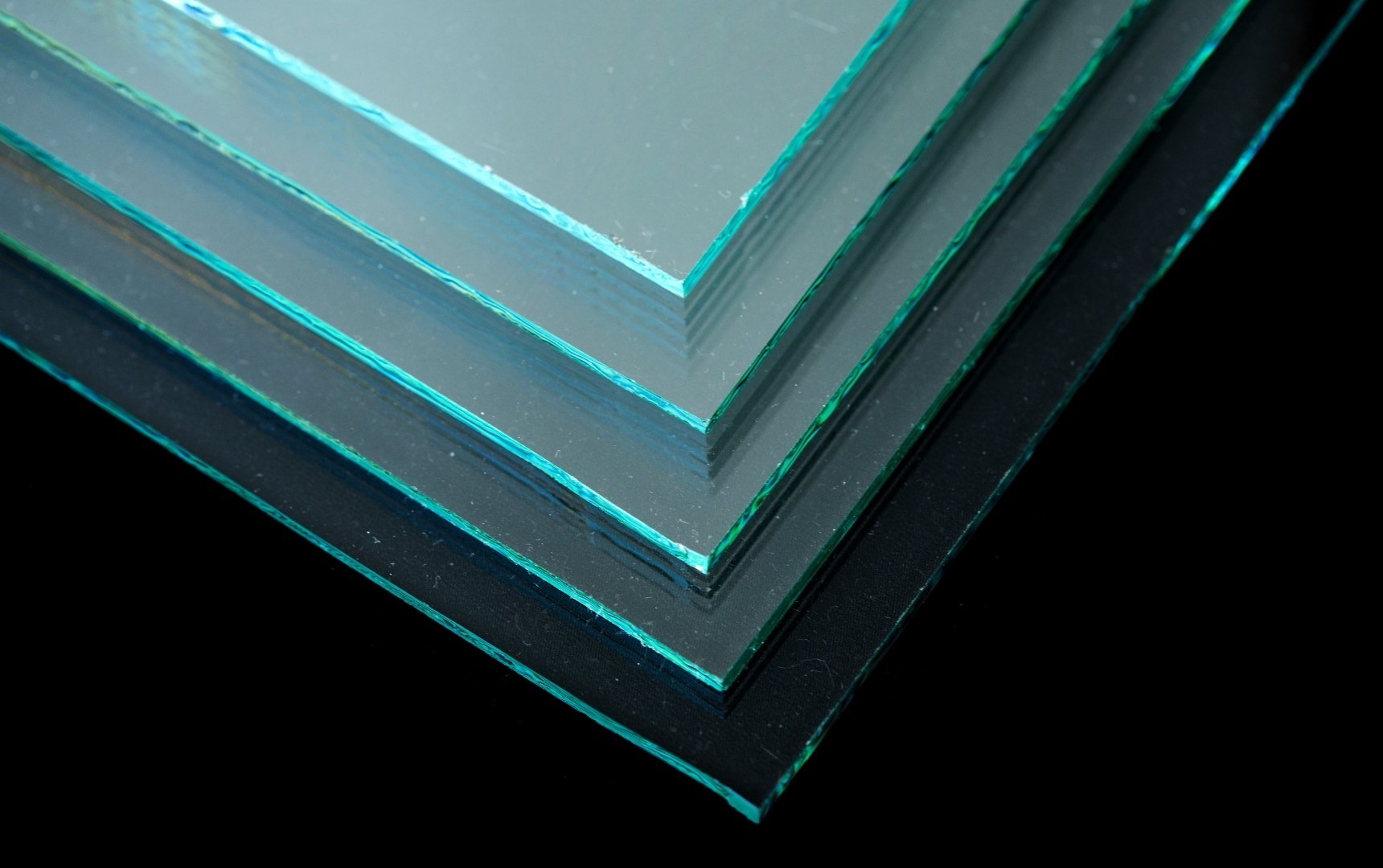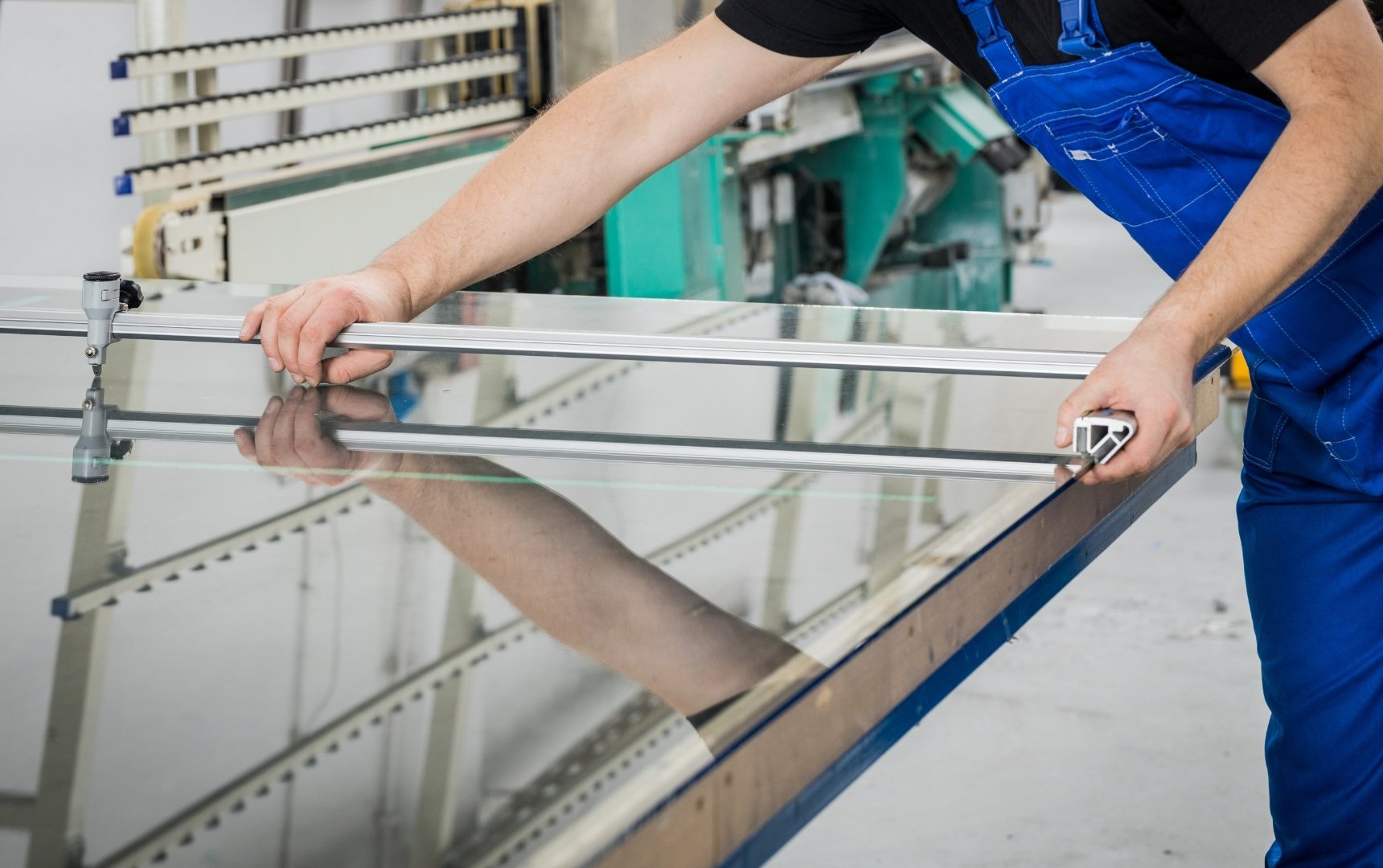
Doors are among the most frequently used building components, and the glazing within them is subject to some of the most consistent safety requirements in building codes. A tempered glass door is not simply a design choice. It is a code-mandated safety measure in virtually every door application involving glass, from residential entry doors to commercial storefront systems.
Knowing why tempered glass is required in doors, how it performs, and what compliance looks like in practice helps ensure every door assembly is specified correctly from the start.
Why Door Glazing Requires Safety Glass
Doors experience a level of physical interaction that most other building components do not. They are pushed, pulled, slammed, and walked through repeatedly over their service life. Glass within a door assembly is therefore exposed to a higher frequency of contact than fixed glazing in walls or windows.
When standard annealed glass breaks in a door, it produces long, sharp shards at exactly the height and location where a person is most likely to fall into or through it. Building codes address this risk by requiring safety glazing in all door applications where glass is present, with tempered glass being the most common solution.
How Tempered Glass Performs in Door Applications
The tempering process heats glass to a high temperature and then rapidly cools the surface, placing it under compression. This makes tempered glass significantly stronger than annealed glass of the same thickness. More importantly for door applications, it changes the fracture behavior of the glass entirely.

When a tempered glass door panel breaks, it disintegrates into small, blunt fragments rather than jagged shards. This fragmentation pattern dramatically reduces the risk of serious laceration in the event of breakage. The strength increase also means tempered glass is better equipped to handle the repeated mechanical stress of door operation over time.
Tempered Glass Requirements Across Door Types
Safety glazing requirements apply broadly across door types, and the tempered glass door category covers a wide range of residential and commercial applications. The location and frequency of human contact with the glass determines the requirement, not the style or material of the door itself.
Entry doors with full or partial glass panels are among the clearest applications. The glass within the door leaf, regardless of its size or decorative treatment, must meet safety glazing standards. Sidelites flanking entry doors are subject to the same requirements when they fall within a defined distance of the door edge, because a person stumbling near the door can easily contact the adjacent glazing.
Sliding patio doors require safety glazing across all panels, both the moving and fixed sections. The large glass surface area of a typical patio door, combined with its proximity to interior living areas, makes it one of the higher-risk glazing locations in a residential building. French doors and other hinged glass door assemblies follow the same requirements, covering both leaves and any glazed panels within the assembly.
Interior doors with glass panels are also subject to safety glazing requirements in most jurisdictions. The frequency of use and the potential for forceful contact during normal operation place interior glazed doors in the same risk category as exterior applications.
Sidelites, Transoms, and Adjacent Glazing
The tempered glass door requirement extends beyond the door leaf itself to glazing installed in close proximity to the door. Sidelites are vertical glass panels installed beside a door, and transoms are horizontal panels above it. Both are common in residential entry systems and commercial storefronts, and both are typically subject to safety glazing requirements when they fall within the code-defined zone adjacent to the door opening.
The rationale is the same as for the door itself. A person entering or exiting through a door can lose their balance and contact the adjacent glazing with significant force. Sidelites that extend close to the floor are subject to additional requirements related to low glazing, compounding the compliance considerations for full-height entry systems. Confirming which adjacent glazing falls within the required zone is an essential step in specifying any door assembly.
Commercial Door Systems and Storefronts
Commercial entry systems introduce additional complexity because of the scale and variety of glazing configurations involved. Storefront systems, curtain wall entrances, and all-glass door assemblies are all governed by safety glazing requirements, and the tempered glass door standard applies consistently across these applications.

All-glass doors, which use thick tempered glass panels without a traditional frame, are a common commercial specification. These doors rely entirely on the strength of the tempered glass to function structurally, and the tempering requirement is absolute.
Automatic sliding doors, revolving door inserts, and frameless glass door systems used in retail and hospitality environments fall under the same requirements. In high-traffic commercial settings, the combination of frequent use and large user volumes makes safety glazing compliance a baseline expectation rather than an optional upgrade.
Verifying Compliance in Door Assemblies
Tempered glass is identified by a permanent safety stamp etched or ceramic-printed onto the glass surface, typically in a corner of the pane. This mark confirms that the glass meets the applicable safety glazing standard and was processed to the required specification.
For new construction and renovation projects, verifying that this stamp is present on every glazed panel within or adjacent to a door assembly is the most direct way to confirm compliance. Inspectors, contractors, and building officials rely on this marking during permit inspections, and its absence in a required location is grounds for requiring replacement.
For existing installations where the stamp cannot be located, the glass cannot be assumed to be tempered. Glazing in door applications without confirmed safety compliance should be evaluated for replacement, particularly in advance of a renovation permit or building inspection.
Tempered Glass Door Sealed Units from Insul-Lite Manufacturing™
Door glazing leaves no room for specification errors. At Insul-Lite Manufacturing™, we supply custom insulated glass units incorporating tempered safety glass for door and entry system applications where code compliance is non-negotiable.
Getting the right unit specified before fabrication begins is the most reliable way to keep a project on schedule and on the right side of code. Contact us today to discuss your tempered glass door requirements and get a quote from our team.