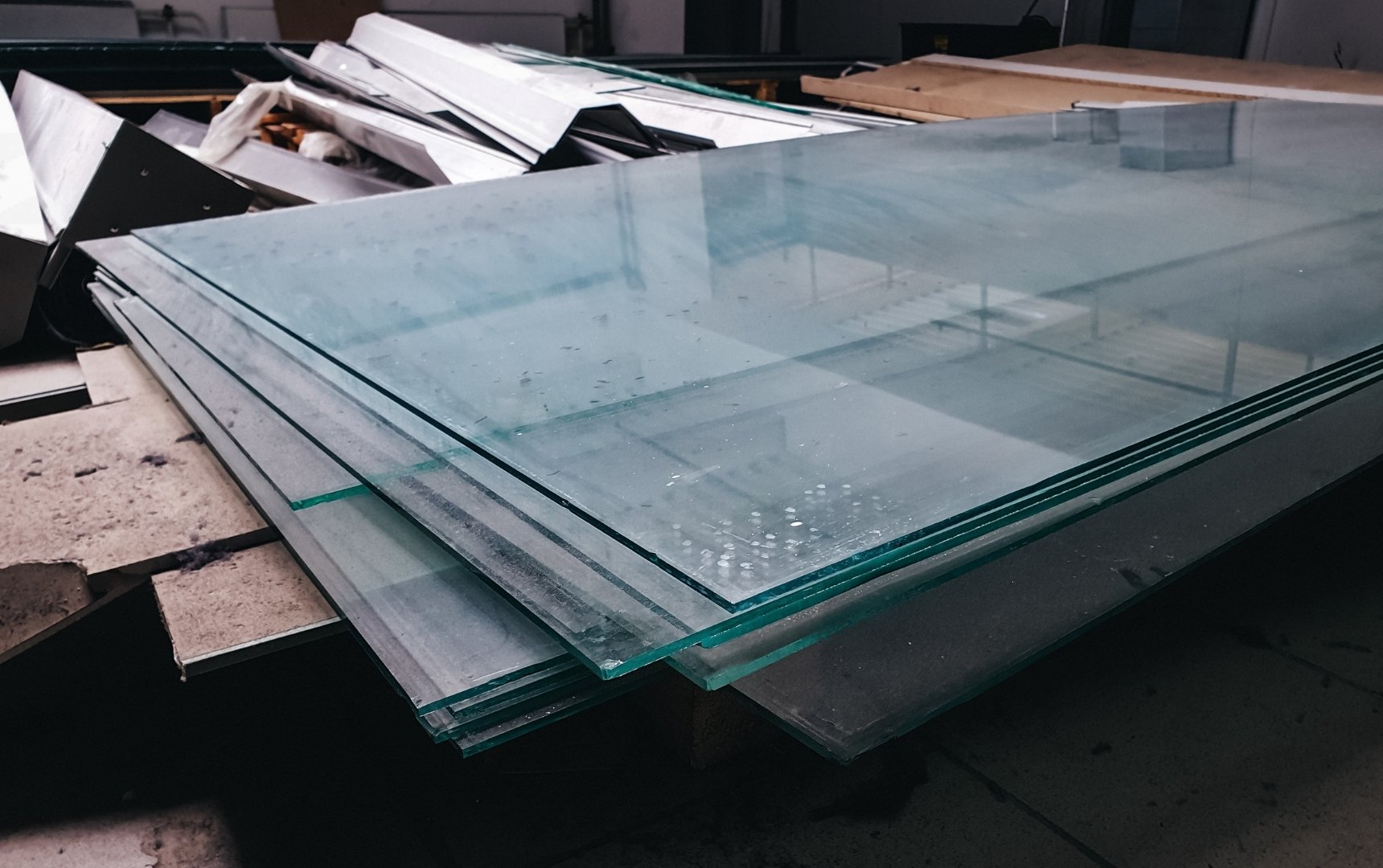
Thickness is one of the most consequential decisions in any glazing specification, and you make it before a single panel is cut or tempered. Tempered glass sheets are available across a range of standard thicknesses. Each thickness range corresponds to a set of applications where it performs appropriately under load, spans correctly within its framing system, and meets the installation's structural and safety requirements. Selecting thickness by habit or by what happens to be in stock produces panels that may be technically tempered but wrong for the job.
How Thickness Affects Tempered Glass Sheet Performance
Thickness influences several performance characteristics simultaneously. A thicker tempered glass sheet carries more load, deflects less under wind or live load, and resists impact better. It also weighs more, which affects hardware selection, frame engineering, and handling requirements during installation.
Thicker glass is not categorically better. In applications where the framing system is designed for a specific panel weight, oversizing the glass thickness creates point-load problems at the supports and may exceed the frame's structural capacity. Matching thickness to the demands of the specific application, rather than defaulting to the heaviest available option, produces installations that perform correctly over their full service life.
1) 4mm Tempered Glass Sheets
At 4mm, tempered glass sheets occupy the lighter end of the standard thickness range. This thickness is most commonly used in small interior applications where the panel span is short, and the structural demand is low.
Interior cabinet glazing, small decorative panels, and certain furniture applications fall within the appropriate use range for 4mm tempered glass. The reduced weight of a 4mm sheet is an advantage in applications where the supporting structure has limited load capacity.

For any application involving significant span, wind exposure, human contact load, or hardware attachment, 4mm is generally insufficient and should not be specified without engineering confirmation that the thickness meets the load requirements for that specific panel geometry.
2) 6mm Tempered Glass Sheets
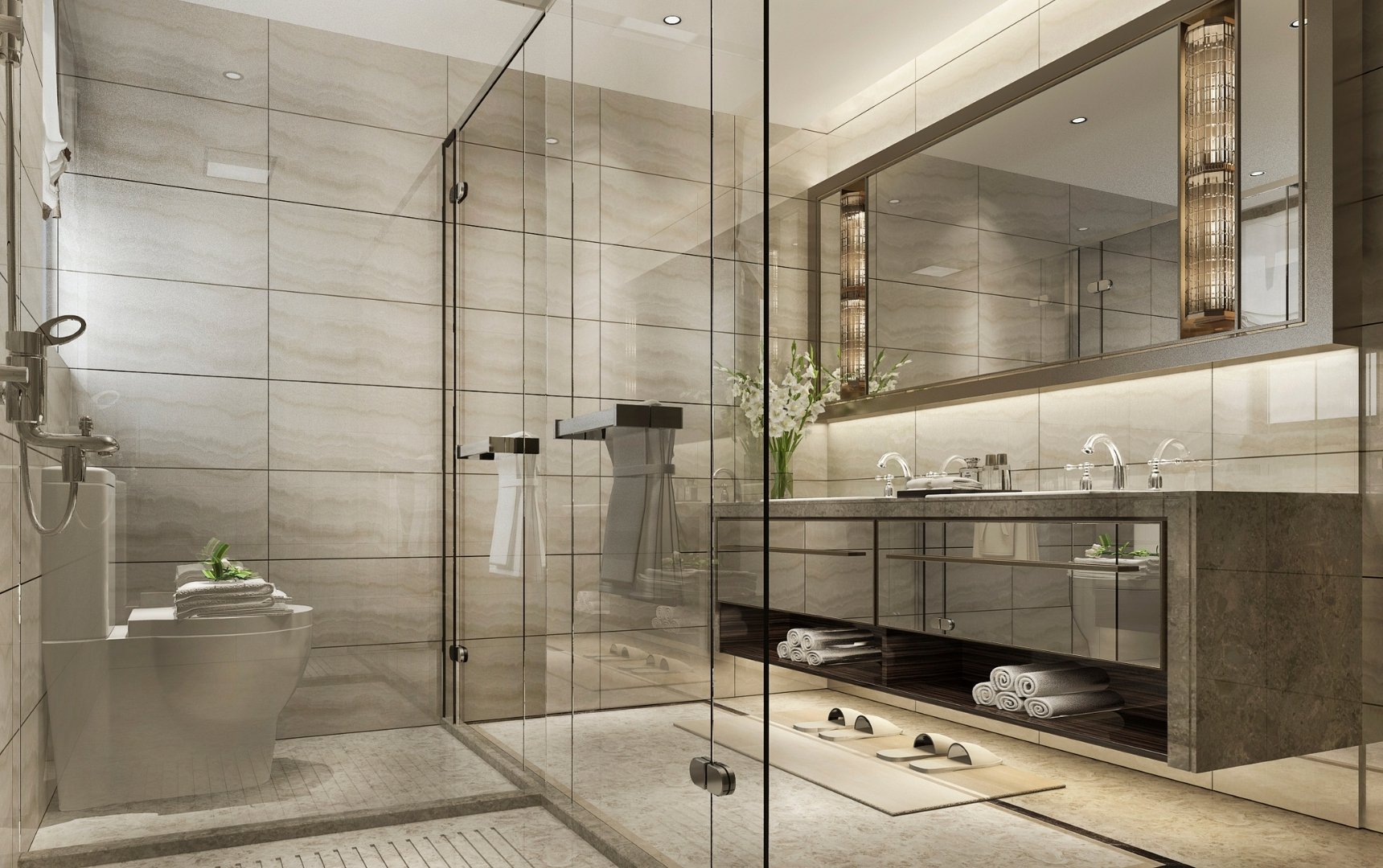
The 6mm thickness is one of the most widely used in residential glazing applications. Shower enclosure panels, interior partitions, glass cabinet doors, and small to medium window lites commonly use 6mm tempered glass sheets.
The combination of manageable weight and adequate strength for typical residential spans makes 6mm a practical default for many interior applications. In shower enclosure applications, 6mm tempered glass is generally acceptable for framed and semi-framed systems where the frame provides continuous edge support.
Frameless shower enclosures, which rely on the glass itself for structural stability, typically require a move to 8mm or 10mm to provide adequate rigidity across the unsupported span.
3) 8mm Tempered Glass Sheets
At 8mm, tempered glass sheets cover a broader range of residential and light commercial applications. Common applications for 8 mm tempered glass include frameless shower doors, glass balustrade infill panels, larger interior partitions, and exterior window lites in moderate wind exposure zones.
The increased thickness provides noticeably greater rigidity than 6mm, reducing visible deflection in larger panels and improving the feel of frameless door and enclosure systems under normal use. For balustrade applications, 8mm is often the minimum specified thickness, though local code requirements and the specific mounting configuration determine whether a greater thickness is needed to meet the applicable load standard.
4) 10mm Tempered Glass Sheets
The 10mm thickness range serves applications where panel size, structural demand, or hardware configuration pushes beyond what 8mm can reliably provide. Typical applications for 10 mm tempered glass sheets include larger frameless shower enclosures, floor-to-ceiling interior partitions, commercial balustrades, and exterior fixed panels in higher wind-exposure zones.
The additional thickness contributes meaningfully to panel stiffness, which becomes increasingly important as panel dimensions increase and the unsupported span grows. Point-fixed glazing systems, where the glass is supported at discrete hardware locations rather than along its edges, often require 10mm or thicker because stress concentrations at each fitting are higher than in continuously supported installations.
5) 12mm and Thicker Tempered Glass Sheets
At 12mm and above, tempered glass sheets are typically specified for structural and architectural applications where the glass carries significant load or where the panel dimensions are large enough that thinner glass would deflect beyond acceptable limits.
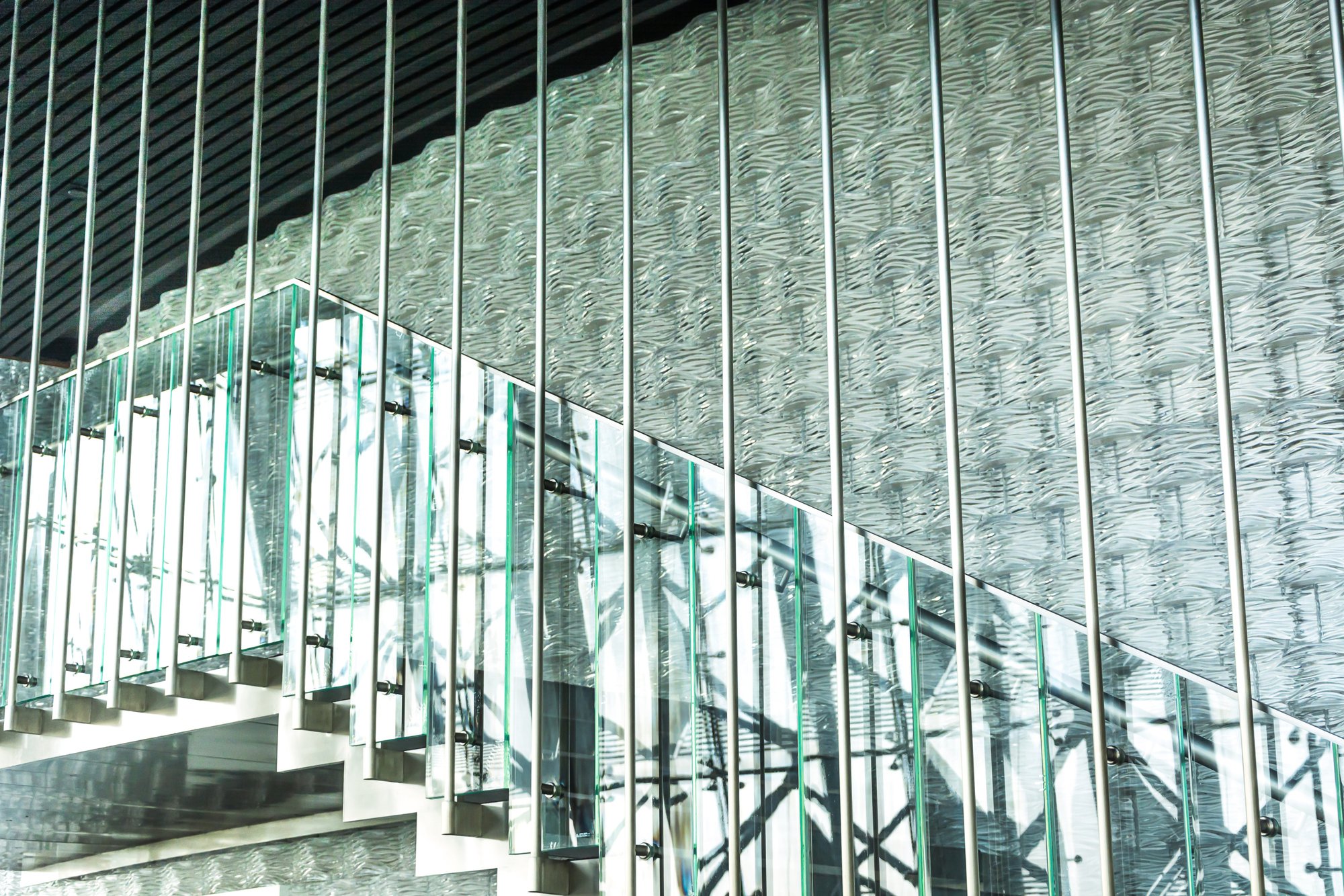
Common applications in this thickness range include all-glass stair treads, structural glass floors, large-format exterior facade panels, and heavily loaded balustrade systems. 12mm tempered glass is heavy, and installation planning must account for the handling equipment and hardware capacity needed to place and support panels of this size and weight safely.
For the most demanding structural applications, engineering input is not optional. Load calculations specific to the panel geometry, support conditions, and applicable code requirements determine whether 12mm is sufficient or whether a greater thickness or a laminated tempered configuration is the appropriate specification.
Thickness and Insulated Glass Unit Configuration
When tempered glass sheets are incorporated into insulated glass units, thickness selection affects the overall unit configuration and its thermal and structural performance. Each lite's thickness contributes to the total unit thickness, which must match the frame rebate depth of the window or door system receiving the unit.
A tempered lite that is correctly specified for its safety glazing application but incompatible with the frame depth creates a fitment problem that cannot be resolved without reordering. The weight of the tempered lite also affects the total unit weight, which affects hinge capacity in door applications and the structural capacity of frame members supporting large fixed units.

Confirming that the specified lite thickness matches the full unit configuration and the receiving frame system before fabrication begins prevents the dimensional conflicts that delay projects at installation.
Matching Tempered Glass Sheet Thickness to the Application
Thickness selection becomes more reliable when it is treated as a derived specification rather than a starting assumption. Beginning with the application requirements, including panel span, support conditions, load type, hardware layout, and applicable code minimums, and working toward a thickness that satisfies all of those requirements produces a more defensible specification than picking a thickness and hoping it fits.
For applications that fall near the boundary between two standard thicknesses, consulting with the glass fabricator or a glazing engineer before finalizing the order is a practical step that costs little and prevents the much higher cost of a misspecified panel. You can't correct tempered glass sheets ordered to the wrong thickness after tempering.
Tempered Glass Sheets in Sealed Units from Insul-Lite Manufacturing™
Thickness decisions made at the specification stage follow a project all the way through fabrication, installation, and the service life of the unit. At Insul-Lite Manufacturing™, we incorporate tempered glass sheets across a range of thicknesses into our custom insulated glass units, matched to the specific requirements of each application. Bringing thickness, unit configuration, and frame compatibility into the conversation before production begins is what keeps finished units performing as specified from day one.
Contact us today to discuss your tempered glass sheet requirements and get a quote on sealed units built to your project specifications.