Bathrooms and wet areas present a unique set of conditions that make glass selection more consequential than in most other interior locations. Water, slippery surfaces, and confined spaces create an environment where the risk of accidental glass contact is genuinely elevated. Tempered glass requirements in these locations exist because standard annealed glass poses an unacceptable injury risk when it breaks near a person who has already lost their footing.
Knowing which wet area installations trigger these requirements, and why each one is treated as a high-risk location, is essential for anyone specifying or installing glazing in bathrooms, pool areas, or similar environments.
Why Wet Areas Are Treated Differently
The injury risk associated with glass in a wet area is not the same as glass in a dry interior space. A person slipping on a wet floor near a glass panel can fall with considerable force and in an unpredictable direction. Contact with standard glass under those conditions can result in severe lacerations from large, sharp fragments.
Wet area tempered glass requirements are not a precaution against unlikely events. They reflect a documented pattern of injuries in locations where slippery surfaces and glass occupy the same space. Building codes treat these locations as categorically high-risk, which is why the requirements apply regardless of glass size, frame style, or fixture type.
Shower Enclosures and Screens
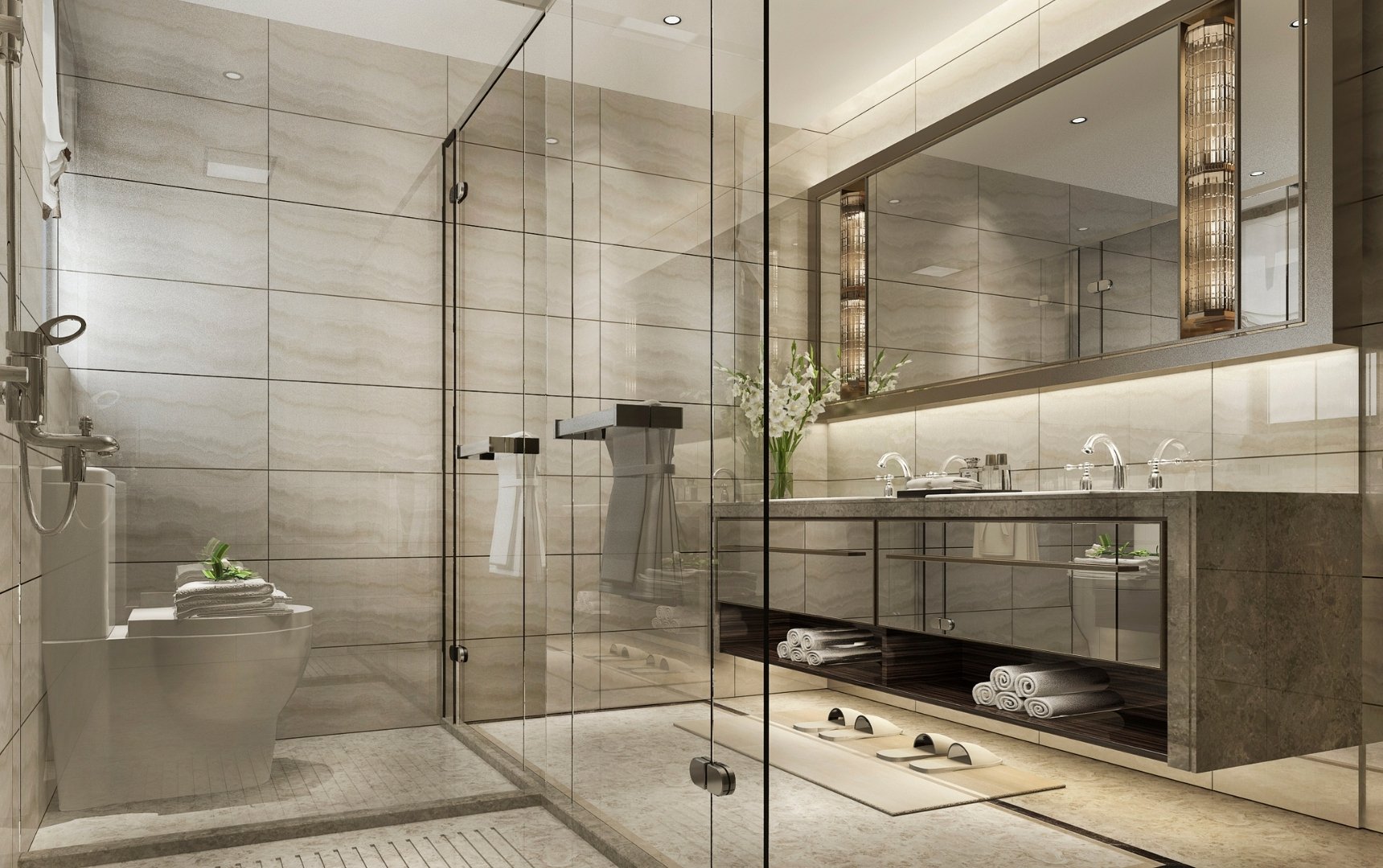
Shower enclosures are the most consistently regulated wet area glazing application. Every glass component within a shower enclosure, including door panels, fixed side panels, and return panels, is subject to tempered glass requirements in virtually all Canadian and North American building code jurisdictions.

Frameless and semi-frameless shower systems rely on the structural integrity of the glass panel itself rather than a supporting frame, which makes the strength of tempered glass a functional necessity as well as a code requirement. The thickness of the tempered panel must also be appropriate for the span and mounting configuration.
A panel that meets the safety glazing standard but is underspecified for its structural role introduces a different category of risk.
Bathtub Surrounds and Adjacent Glazing
Glazing adjacent to a bathtub is subject to tempered glass requirements when it falls within a defined distance of the tub's interior edge. Most code jurisdictions specify a horizontal and vertical zone around the tub where safety glazing is required, typically measured from the tub deck or flood level upward and outward from the tub edge.
Fixed glass panels used as bath screens, decorative glazing beside a freestanding tub, and windows within the defined zone all fall under these requirements. A window that sits above the tub surround and within the code-defined vertical threshold is a common example of glazing that building owners and contractors sometimes overlook when assessing wet area compliance.
Bathroom Windows Near the Floor or Shower Zone
Windows in bathrooms are not automatically exempt from tempered glass requirements simply because they are fixed and out of reach during normal use. A window with its bottom edge within the code-specified height threshold from the finished floor requires safety glazing regardless of its location within the room.
When a bathroom window also falls within the horizontal zone adjacent to a shower or tub, both the low-glazing requirement and the wet area requirement apply simultaneously. Specifying the correct glazing for bathroom windows requires evaluating the window's position relative to both the floor level and any nearby wet fixtures, not simply its position on the wall.
Steam Rooms and Wet Room Installations
Steam rooms and fully wet room configurations introduce additional considerations beyond standard bathroom requirements. The combination of high humidity, temperature cycling, and constant moisture exposure places greater demands on both the glass and its framing system.
Tempered glass is the appropriate specification for all glazing in steam room enclosures, including doors, fixed panels, and any viewing panels. The thermal stability of tempered glass makes it better suited to the temperature differentials present in steam environments than standard annealed glass, which is more vulnerable to thermal stress fracture.
Wet rooms, where the entire floor and wall area is treated as a wet zone, extend the safety glazing requirement to any glass within the space regardless of its proximity to a specific fixture.
Pool Enclosures and Natatorium Glazing
Indoor pool enclosures and natatoriums present a wet area glazing challenge at a much larger scale than residential bathrooms. The perimeter glazing of an indoor pool is subject to tempered glass requirements because of the combination of wet pool decking, high occupancy, and the proximity of large glass surfaces to an area where slipping is common.

Fixed glazing panels, glazed partition walls, and any doors within the pool enclosure typically require safety glazing. The humid, chlorinated environment of an indoor pool also accelerates deterioration in glazing seals and spacer systems, making the specification of the insulated glass unit itself as important as the safety glazing treatment of the individual lites.
Spa Areas and Hot Tub Surrounds
Glazing within a defined perimeter of hot tubs and spa installations follows similar requirements to pool enclosures. The slippery conditions around a hot tub, combined with the elevated temperature of the water and surrounding surfaces, create a high-risk environment for glass contact injuries.
Fixed panels, glazed enclosures, and any doors within the code-defined zone around a spa installation are generally required to use tempered or laminated safety glass. The applicable distance threshold varies by jurisdiction, and confirming the specific requirement with local building officials is the most reliable approach for spa installations where glazing placement is a close call.
Wet Area Tempered Sealed Units from Insul-Lite Manufacturing™
Wet area installations leave little margin for glazing errors, and the consequences of a non-compliant specification go beyond a failed inspection. At Insul-Lite Manufacturing™, we supply custom insulated glass units incorporating tempered safety glass for bathroom and wet area applications where code compliance and occupant safety set the standard.
Identifying the right specification before fabrication is the step that keeps projects on schedule and installations above reproach. Contact us today to discuss your wet area glazing requirements and get a quote from our team.