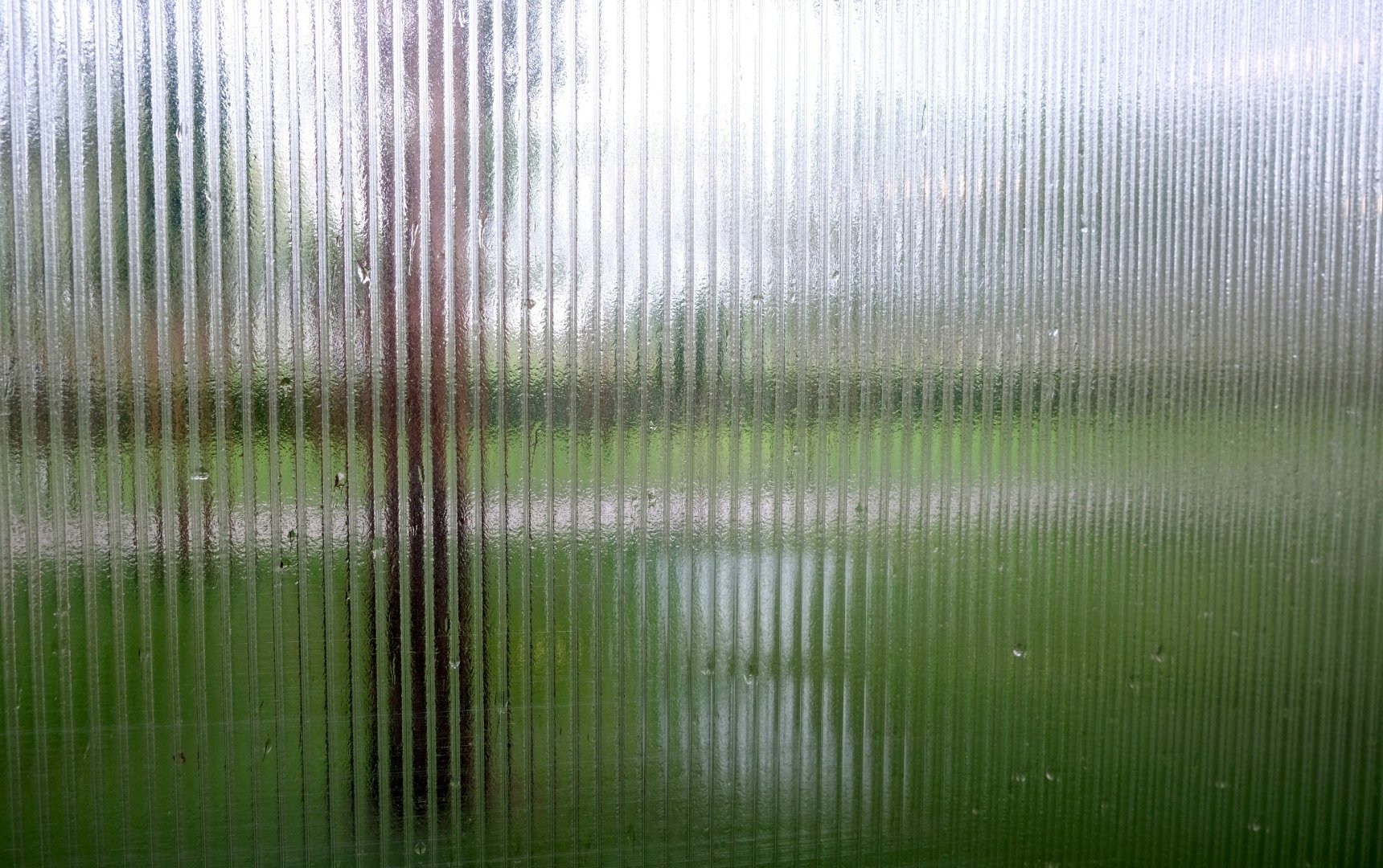
Architectural glass has moved well beyond purely functional roles in modern construction. Texture, pattern, and visual character are now deliberate design decisions that shape how a building reads from both inside and outside. Reeded glass panels have become a prominent feature in architectural projects where material quality and surface detail are central to the design brief.
Where Reeded Glass Panels Fit in Architectural Design
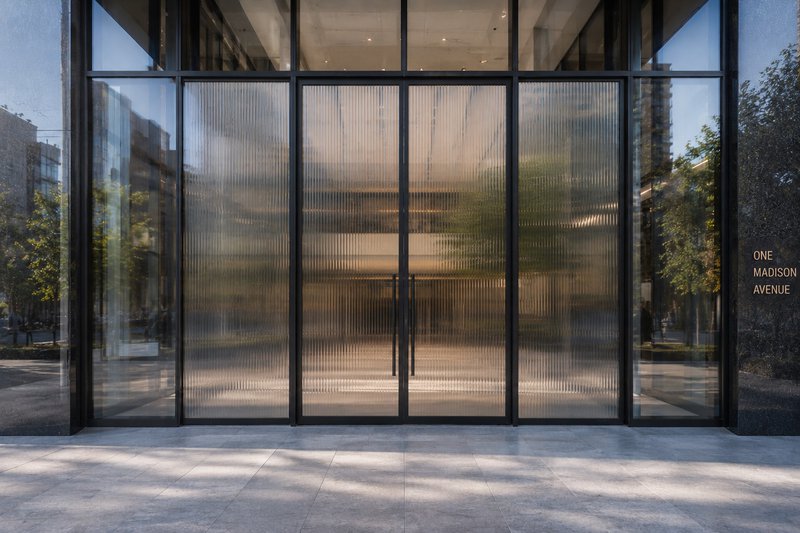
Large-scale architectural projects demand glazing that contributes to the overall design language of a building. Reeded glass panels serve this purpose by introducing a consistent surface rhythm that adds depth and tactile interest to facades, interior walls, and feature installations. The ribbed profile interacts with natural and artificial light in ways that change throughout the day, giving the installation a dynamic quality that flat glass cannot achieve.
Panels are specified across a broad range of architectural contexts, including lobby walls, elevator enclosures, retail facades, stairwell glazing, and decorative screens. In each of these applications, the panel serves a visual function as much as a structural or enclosure one. The scale and proportion of the panel within its frame system significantly influence how the texture reads in the finished installation.
Reeded glass also appears in exterior cladding applications where the glass acts as a rainscreen or decorative skin over the building envelope. In these configurations, the panels are typically not required to provide thermal insulation on their own, as the primary building envelope handles energy performance. The glass serves primarily as a weather-resistant finish layer with strong architectural presence.
Structural and Size Considerations for Reeded Glass Panels
Panel size is one of the first practical considerations in any architectural glazing specification. Reeded glass is a rolled product, and maximum available sheet sizes are determined by the manufacturer's production capabilities. Large panel dimensions may not be achievable in every pattern or thickness, and confirming size availability with the supplier early in the design process avoids conflicts between design intent and material constraints.
Glass thickness must be selected based on the structural demands of the installation. Panels used in exterior applications are subject to wind load, dead load, and in some cases, impact requirements that govern minimum thickness. A structural glazing engineer should be consulted when panels are used in load-bearing or wind-exposed configurations to confirm that the selected thickness and edge detail are adequate for the application.
Point-fixed and frameless glazing systems place specific demands on the glass itself, particularly at fixing points and edges. Reeded glass used in these systems must be toughened to withstand the stress concentrations that occur at holes and clamps. Pre-drilling and edge finishing must be completed before the tempering process, as the glass cannot be modified once heat treatment is applied.
Combining Reeded Glass Panels with Other Glazing Products
Architectural projects frequently combine multiple glazing types within a single installation. Reeded glass panels may be used alongside clear, tinted, or Low-E coated glass to create contrast between transparent and textured zones. The interplay between these materials adds complexity and visual interest to the overall glazing scheme without requiring additional architectural elements.
When thermal performance is required, reeded glass panels can be incorporated into sealed insulated glass units. The reeded pane is paired with a second lite, separated by a composite spacer system, and sealed to create an airtight cavity. Argon gas fill and Low-E coatings can be added to the unit to meet energy code requirements for the building envelope.
Combining reeded glass with Low-E coatings requires attention to which surface the coating is applied to and how it interacts with the textured pane. The coating is typically applied to the smooth inner surface of one of the lites rather than the textured surface, which ensures consistent performance and avoids interference with the optical properties of the reeded pattern. Confirming coating placement with the sealed unit manufacturer at the specification stage prevents fabrication errors later in the project.
Reeded Glass Panels and Code Compliance
Building codes impose safety glazing requirements on glass installed in certain locations regardless of the aesthetic intent of the installation. Panels positioned near floor level, adjacent to walking surfaces, or within reach of building occupants may be subject to safety glazing regulations. These requirements apply to reeded glass panels in the same way they apply to any other glazing product.
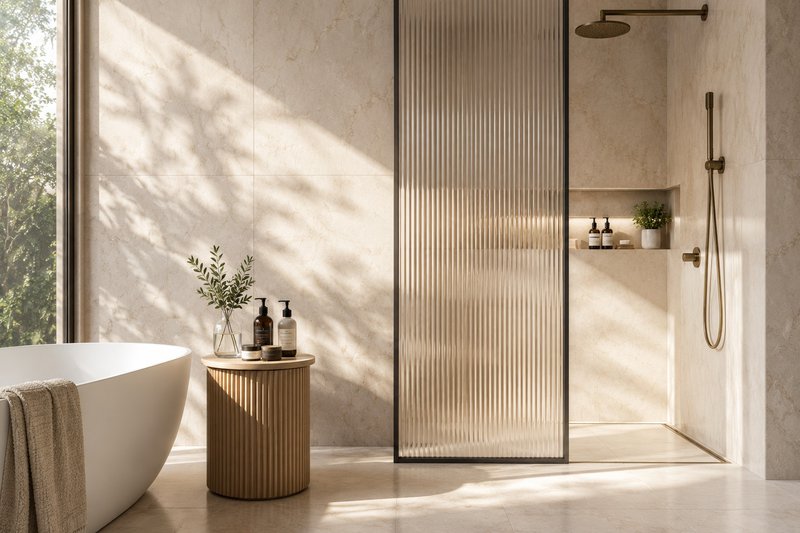
Toughened and laminated treatments are both compatible with reeded glass and satisfy safety glazing requirements in most jurisdictions. The choice between the two depends on the specific code requirements, the framing system, and the consequences of breakage in the installation location. Laminated panels retain their fragments after breakage, which is particularly relevant in overhead or cantilevered applications.
Code compliance documentation should be gathered before panels are fabricated and installed. Safety glazing markings on toughened panels serve as permanent certification that the glass meets the required standard. Retaining supplier documentation alongside these markings ensures that inspections and sign-offs proceed without delays.
Get Reeded Glass Panels Built Right with Insul-Lite Manufacturing™
At Insul-Lite Manufacturing™, we understand what is at stake when glazing is on the critical path of a complex build. Architectural projects place higher demands on glazing suppliers than standard residential or commercial work. Precise dimensions, consistent quality across multiple panels, and reliable scheduling are all critical when reeded glass panels form part of a larger construction program.
When specifications call for decorative glass options such as reeded glass panels, our team has the fabrication capabilities and product knowledge to deliver. Contact us today to bring your reeded glass panel specification to our team and get a quote built around your project requirements.