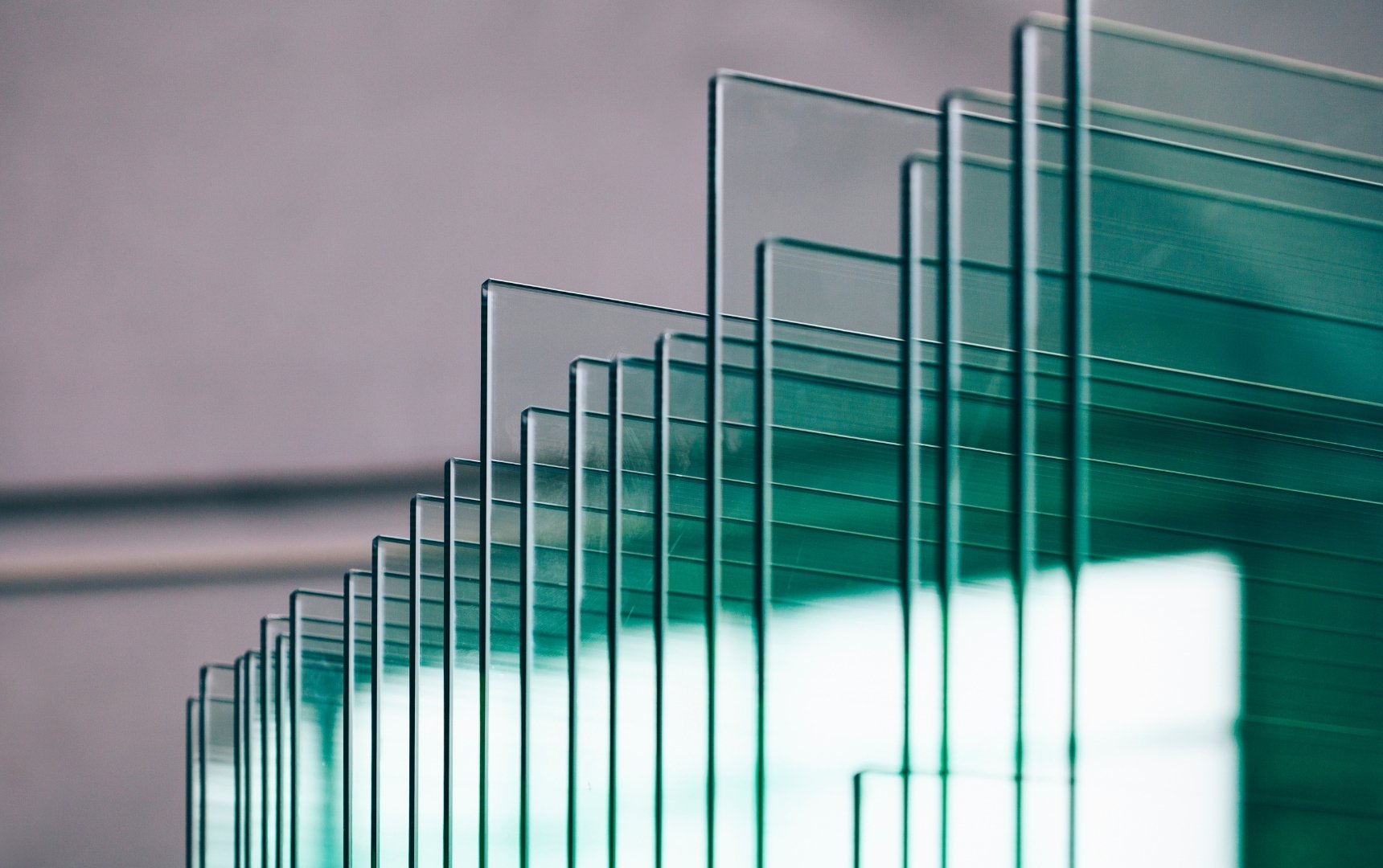
Textured glass shapes interior spaces by influencing natural light, mood, and overall spatial perception effectively. Consequently, patterns scatter sunlight, softening intensity while providing both visual appeal and functional benefits. Designers increasingly adopt textured glass to create environments that feel dynamic, inviting, and thoughtfully comfortable.
Architects apply textured glass to redefine perceived depth, height, and room proportions creatively. Additionally, light interacts uniquely with each texture, producing subtle reflections and visually engaging shadows throughout. Strategically incorporating textured glass allows natural daylight to become a key design element consistently.
Enhancing Natural Light with Textured Glass
Glass diffuses sunlight, balancing illumination while softening harsh rays naturally within interior spaces. Light scattering through glass in architecture elevates light, style, and surface performance enhances daylight distribution effectively throughout rooms. Diffused lighting reduces reliance on artificial sources, improving energy efficiency consistently throughout interiors.

Designers direct light using patterns to create ambient illumination in specific areas. Simultaneously, reflections evolve subtly during the day, animating spaces with dynamic visual effects beautifully. Dynamic illumination enhances interiors, giving rooms an evolving atmosphere that feels lively daily.
In addition, strategic applications highlight architectural features while minimizing direct sunlight discomfort. Textured glass naturally reduces glare and provides privacy, complementing finishes and enhancing cohesion across contemporary interior spaces. Overall, integrating patterned textures balances functional needs with aesthetic design goals seamlessly.
Minimizing Glare for Comfort
Glass reduces direct sunlight, mitigating glare that causes discomfort quickly in interior spaces. Likewise, patterns scatter light, allowing occupants to enjoy brightness without creating visual strain. Strategically placed textured glass solves glare and privacy challenges while maintaining openness effectively.
Additionally, softened illumination improves occupant comfort in offices, classrooms, and other communal areas. Meanwhile, designers adjust pattern depth carefully to maintain transparency while controlling light intensity. Diffused sunlight protects furniture, finishes, and flooring from fading or heat damage.
Visual and thermal comfort balance efficiently in busy interiors with thoughtful design. Furthermore, orientation and pattern selection allow precise glare reduction throughout every interior environment. Enhanced comfort ensures usability and openness while preserving spatial visual connections consistently.
Adding Depth and Character Using Textured Glass
Textured glass creates layers of visual interest, enriching interior architecture subtly throughout every space. Accordingly, fluted, hammered, or patterned surfaces produce reflections and shadow play with dynamic effects. Adding dimension to any space with textured glass transforms surfaces into engaging features, enhancing overall interior design quality.
Designers use textured surfaces to define zones without needing solid, obstructive partitions. Similarly, layered textures add sophistication while maintaining openness throughout contemporary interior layouts consistently. Visual interest supports thematic or brand-driven strategies, enriching the overall interior design.
Furthermore, different textures interact uniquely with light, producing movement and captivating dynamic depth naturally. In addition, pattern selection highlights key room features and enhances spatial perception creatively. Carefully applied textured glass transforms flat surfaces into sculptural, visually engaging architectural elements.
Acoustic and Privacy Benefits
Acoustic performance improves as textured surfaces reduce echo in large or open-plan interiors effectively. Offices, meeting rooms, and lounges benefit from subtle sound management without solid walls. Meanwhile, patterned surfaces provide privacy while maintaining daylight penetration and visual openness naturally.
Key benefits of acoustic and privacy performance include:
- Reduces reverberation in open areas, supporting concentration and comfort efficiently.
- Provides semi-transparent separation, ensuring privacy while allowing light to filter through.
- Laminated or layered textures enhance both sound insulation and safety performance.
- Customizable opacity and pattern density adapts privacy levels for different room types.
- Textured glass enhances commercial design across projects efficiently.
Overall, these functional advantages improve comfort, usability, and occupant satisfaction consistently. Acoustic control reduces distractions, making interiors more productive and enjoyable daily. incorporating these design elements ensures privacy, sound management, and style complement each other.
Influencing Spatial Perception
Glass textures change perception of size, depth, and openness effectively. Accordingly, light scattering creates illusions that enhance circulation and visual comfort naturally. Moreover, carefully designed patterns allow interiors to feel larger and more dynamic.
Patterns guide sightlines and draw attention toward architectural or functional features. Simultaneously, translucency can separate zones while maintaining visual connectivity and design continuity. Subtle texture variations help spaces feel expansive, dynamic, and visually engaging.
Ultimately, dynamic light interaction on textured surfaces creates continuously evolving perspectives in rooms. Therefore, proper placement emphasizes openness, even in dense or compact interior areas. Similarly, incorporating textured surfaces ensures environments feel inviting, spacious, and immersive naturally.

Commercial Applications and Design Integration of Textured Glass
Textured glass enhances commercial interiors by combining aesthetics, functionality, and brand identity seamlessly Reception areas, retail displays, and collaborative spaces benefit from engaging patterns. Integration with coatings or low-emissivity finishes improves performance while maintaining visual appeal.
Key commercial applications and design advantages include:
- Creates partitions, doors, and balustrades that manage sightlines while maintaining openness.
- Integrates with signage, lighting, or branding to reinforce corporate identity naturally.
- Enhances daylighting efficiency, reducing reliance on artificial lighting and energy costs.
- Durable surfaces withstand high traffic, maintaining consistent appearance and performance over time.
- Elevates commercial design across various projects effectively.
Strategic use in commercial projects improves both functionality and aesthetics. Therefore, architects and designers gain flexibility while ensuring occupant comfort and style are preserved. Consequently, textured glass transforms ordinary surfaces into functional design elements that enrich spatial experience consistently.
Expert Solutions for Transformative Interiors
Textured glass balances light, pattern, and function to create engaging spaces. Integrating textures enhances mood, privacy, and spatial perception throughout residential and commercial interiors. Ultimately, occupants enjoy dynamic, practical, and visually appealing environments daily without compromise.
Working with experienced manufacturers ensures patterns, coatings, and performance meet project needs. Moreover, advanced production delivers consistency, durability, and rapid turnaround for custom installations. Collaborating with experts like Insul-Lite Manufacturing™ provides custom textured glass solutions for transformative interior design, contact us today.