Interior design benefits greatly from controlling natural light while preserving aesthetic appeal with textured glass. Sunlight filtering through patterned surfaces reduces harsh glare yet maintains bright, inviting spaces. Creative textures can transform ordinary windows into artistic elements, enriching both residential and commercial environments.
Modern spaces often demand privacy solutions that do not block daylight completely, and textured glass delivers this effectively. Layering visual interest onto functional surfaces allows architects to explore creative concepts without compromising usability. Light diffusion through patterned glass provides both elegance and subtle sophistication in everyday settings.
Diffusing Sunlight to Create Balanced Illumination
Textured glass can transform direct sunlight into soft, even lighting throughout interiors. Strategic use of textured surfaces minimizes discomfort caused by glare on workspaces and living areas. Light scattering improves visual comfort, making rooms appear brighter without the need for artificial lighting sources.

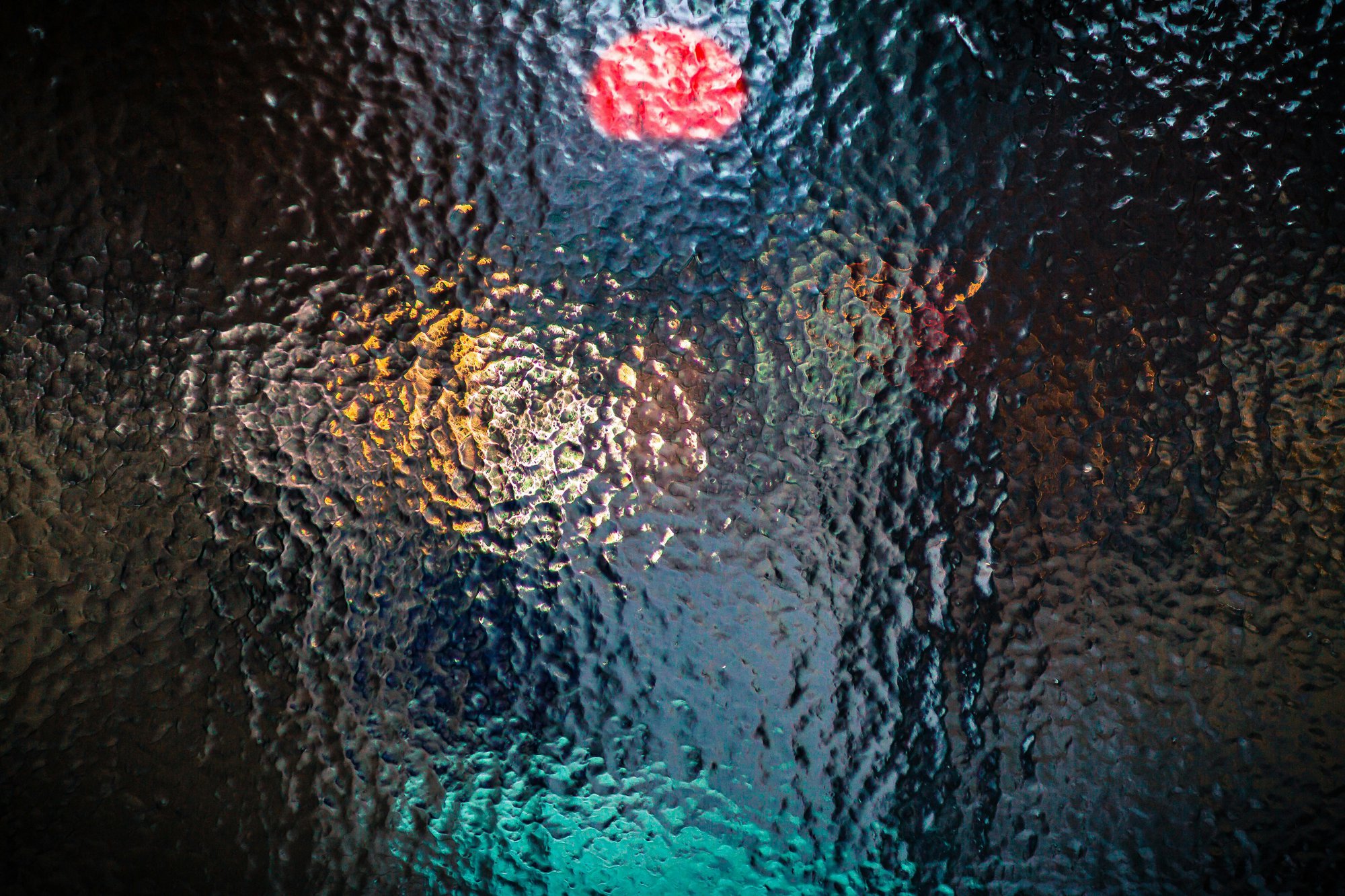
Different pattern densities allow designers to adjust illumination intensity and create dynamic visual effects. Subtle variations can reduce hotspots, enhancing both comfort and energy efficiency simultaneously. Professionals often note that textured glass solves privacy and glare challenges, making it ideal for both offices and residential spaces.
Layering textured glass with high-performance IGUs further enhances thermal performance and daylight distribution. Multiple glazing reduces heat transfer while preserving natural light, supporting sustainable design goals. Integrating these systems encourages balanced, functional, and visually appealing interior environments.
Enhancing Privacy Without Sacrificing Natural Light
Textured glass allows occupants to enjoy privacy without installing heavy curtains or blinds. Intricate patterns obscure visual access while permitting daylight to filter through, keeping spaces welcoming and open. Many designers consider this approach superior for areas where both privacy and light quality are essential.
Commercial offices benefit from textured partitions that reduce visual distractions while maintaining collaborative openness. Privacy solutions that rely on opaque materials often make spaces feel smaller and less inviting. Using patterned glass ensures functional separation without creating a sense of confinement or darkness.
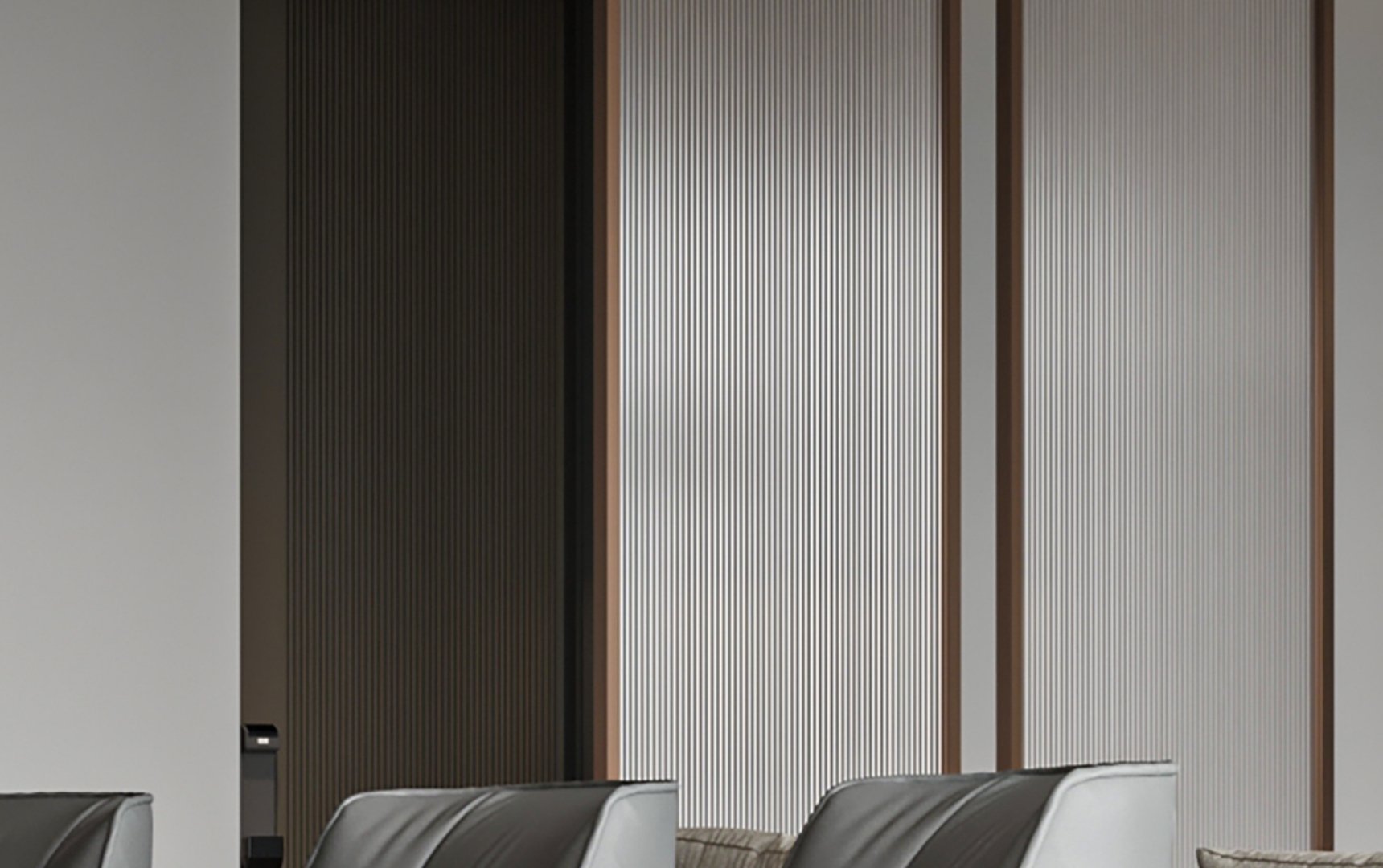
Residential applications also benefit from bathroom or entryway installations, where sightlines are a concern. Patterns such as reeded, frosted, or obscure textures allow homeowners to maintain discretion while enhancing privacy without compromising style. Carefully selecting the right pattern ensures both functional privacy and visual harmony within the space.
Shaping Mood and Perception with Visual Texture
The tactile appearance of textured glass influences how people experience a room psychologically. Patterns can evoke calmness, energy, or sophistication depending on scale, depth, and repetition. Designers intentionally select textures to complement lighting conditions and intended emotional responses within a space.
Textured surfaces create focal points that encourage engagement and curiosity from occupants or visitors. Even subtle undulations can guide visual attention and establish natural movement throughout a room. Lighting variations across textured glass further enhance perception, making environments feel lively and nuanced.
Integrating color or partial tinting into textured panels can reinforce mood while maintaining transparency. Low-E coatings or selective shading work in tandem with patterns to refine light quality. Designers recognize how textured glass contributes to elevating light, style, and surface performance in interior spaces.
Integrating Textured Glass in Modern and Traditional Designs
Textured glass is versatile enough to suit minimalist, contemporary, or classic interior styles. Pattern selection allows integration with sleek metal frames, warm wood tones, or traditional moldings without visual conflict. Designers increasingly favor glass as a unifying material across diverse architectural themes.
Patterns ranging from geometric precision to organic motifs accommodate stylistic preferences across different building types. Strategic installation enhances both exterior and interior facades, creating continuity between indoor and outdoor spaces. Textured glass panels can function as doors, partitions, or feature walls, complementing diverse design intentions.
Architects often blend textures with other decorative elements like etched glass or laminated surfaces. Such combinations allow customization while maintaining clarity, light transmission, and visual interest. Designers frequently use textured panels to add dimension to any space with textured glass, enhancing both function and visual appeal.
Thermal and Acoustic Benefits of Textured IGUs
Pairing textured glass with insulating glass units enhances both energy efficiency and interior comfort. Multiple layers reduce heat transfer while preserving transparency and decorative appeal. This combination is ideal for residential and commercial spaces requiring consistent performance across seasons.
The following are key thermal and acoustic benefits of textured IGUs:
- Improved Insulation: Multi-pane construction reduces heat loss in winter and heat gain in summer, maintaining consistent indoor temperatures.
- Energy Efficiency: Layered textured glass helps lower energy consumption by minimizing reliance on heating and cooling systems.
- Noise Reduction: Patterned surfaces disrupt sound waves, reducing external and internal noise for quieter environments.
- Durability and Longevity: Spacers like Super Spacer or aluminum bars enhance structural stability and extend the life of the IGU.
- Condensation Resistance: Properly sealed units prevent moisture buildup, maintaining optical clarity and long-term performance.
Combining these benefits allows architects and designers to create spaces that are both visually appealing and highly functional. Textured IGUs provide an effective solution for improving comfort, energy efficiency, and acoustic performance simultaneously.

Expert Guidance for Selecting Textured Glass Solutions
Selecting the right textured glass requires careful consideration of surface types, pattern densities, and how light interacts with them. Architects and glazing specialists evaluate these factors to optimize brightness, privacy, and overall spatial experience. Proper material selection ensures functional performance while enhancing both aesthetic appeal and interior comfort.
The following guidelines provide expert guidance for selecting textured glass solutions:
- Pattern Evaluation: Assess the scale, depth, and density of textures to achieve the desired balance of privacy and illumination.
- Integration with IGUs: Determine compatibility with insulating glass units to maximize thermal efficiency and structural performance.
- Coatings and Treatments: Consider Low-E coatings or tints that enhance energy efficiency without diminishing visual clarity.
- Framing and Sealing Systems: Choose appropriate frames and sealants to ensure durability, moisture resistance, and long-term stability.
- Supplier Collaboration: Work closely with trusted manufacturers to align design intentions with technical capabilities and quality standards.
Applying these expert strategies allows designers to achieve both functional and aesthetic objectives effectively. Thoughtful selection of textured glass ensures spaces remain visually engaging, comfortable, and high-performing over time.
Crafting Spaces with Light, Privacy, and Style with Textured Glass
Thoughtful use of textured glass balances illumination, privacy, and aesthetic appeal in contemporary interiors. Designers can manipulate patterns to influence how occupants experience and interact with spaces naturally. Integrating textures supports visual continuity while enhancing both form and function in versatile applications.
Material selection, pattern density, and installation technique all impact final performance and ambiance within a room. Evaluating options such as reeded, frosted, or etched surfaces ensures optimal results for light diffusion and privacy. For projects requiring superior performance, durability, and aesthetic flexibility, Insul-Lite Manufacturing™ delivers expertly crafted textured glass solutions.
Connect with Insul-Lite Manufacturing™ to achieve the perfect balance of style, functionality, and energy efficiency in your next project.