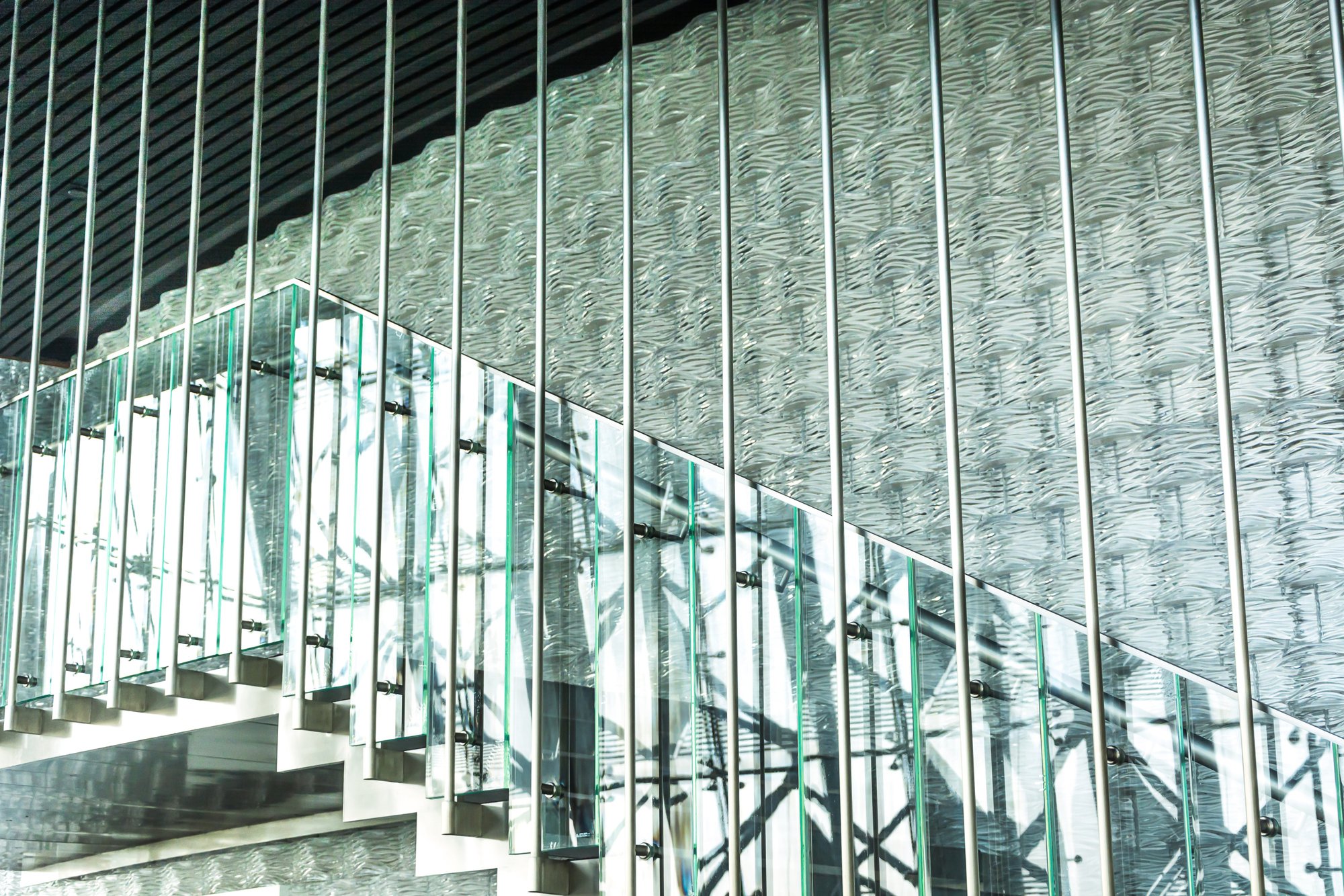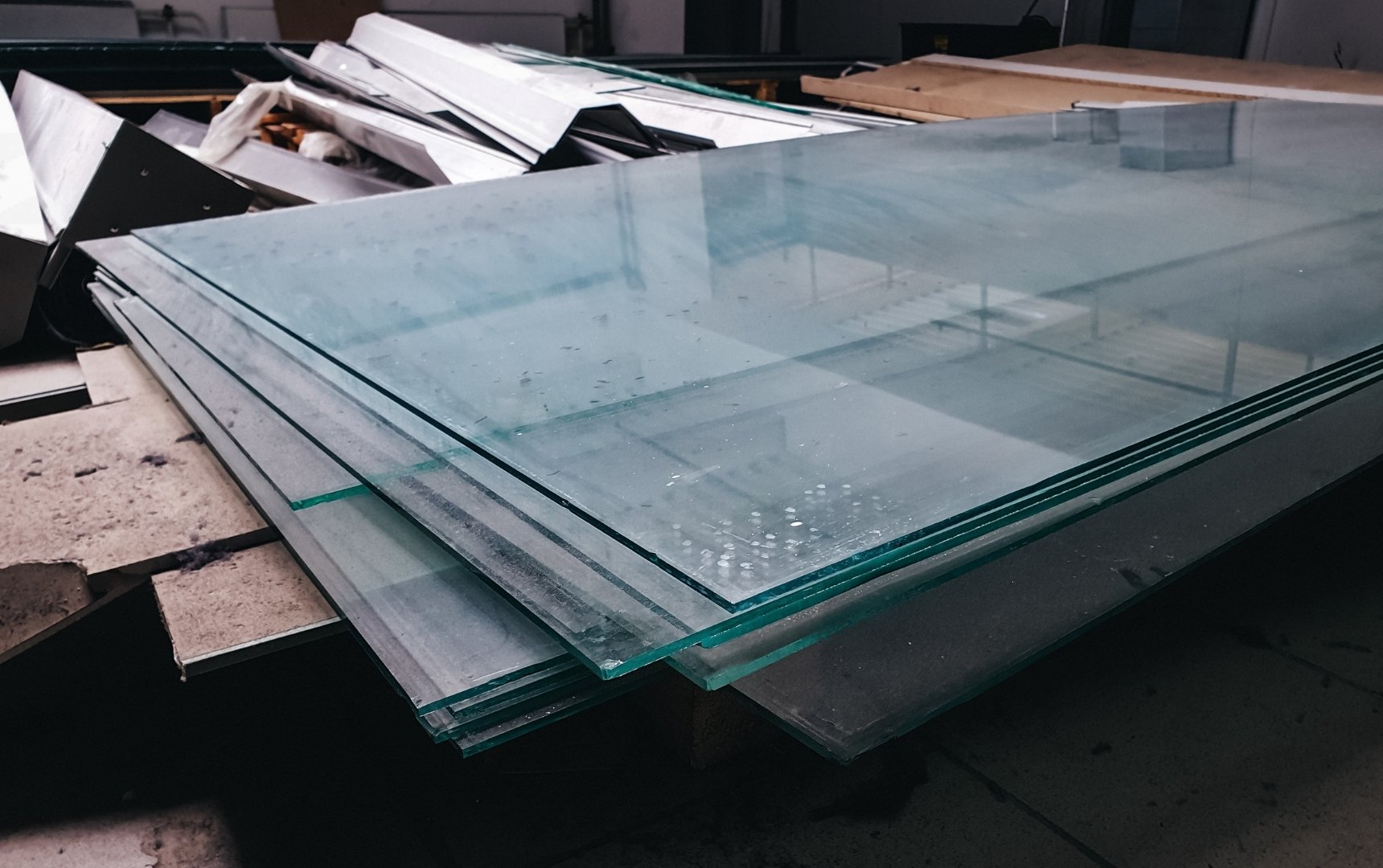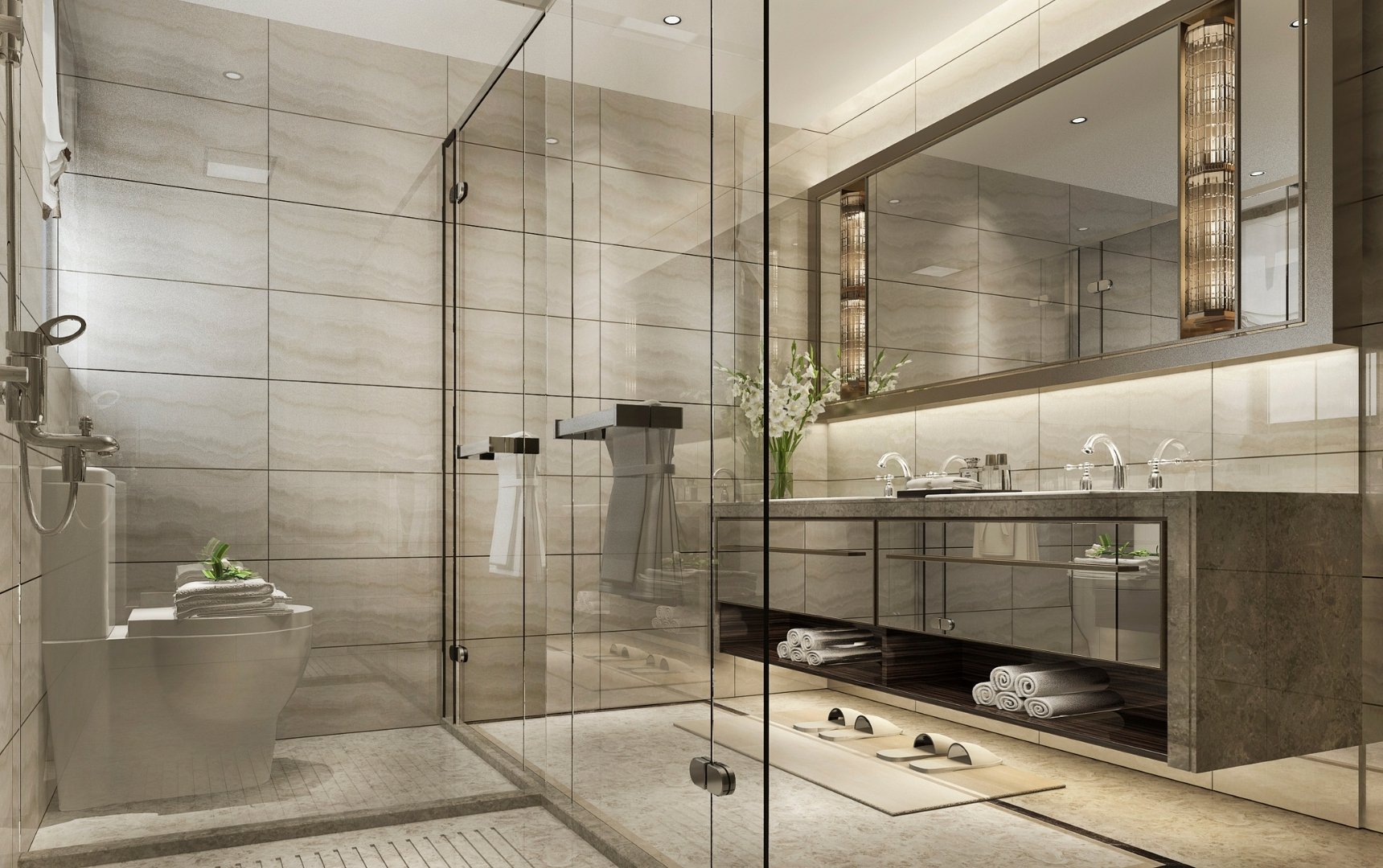
A single missed dimension or an overlooked safety requirement can turn a straightforward glass order into a costly replacement. Custom tempered glass orders leave no room for approximation because you cut and finish tempered glass before it enters the tempering furnace, making post-fabrication changes impossible. Getting the specification right before you place the order is not a best practice. It is the only practice that works.
Why Custom Tempering Is Different From Stock Glass
Stock tempered glass products are manufactured in standard sizes and thicknesses to cover common applications. Custom tempered glass is produced to project-specific dimensions, edge treatments, hole configurations, and surface treatments. This distinction matters because you must finalize every custom specification decision before fabrication begins.
Tempered glass cannot be cut, drilled, or ground after tempering without breaking immediately. Any modification required after tempering means starting over with a new blank, which adds cost and lead time to a project that may already be on a tight schedule.
Dimensional Tolerancing and How to Specify It
Accurate dimensions are the foundation of every custom tempered glass order. Provide width and height in the unit the fabricator uses, and account for the clearances required by the framing system. Glass does not install flush to a frame. Edge clearance, bite depth, and setting block positioning all affect the cut size relative to the opening size.

Fabricators ordering custom tempered glass need to provide the cut size, not the opening size, with tolerances clearly understood on both sides of the transaction. Standard fabrication tolerances for tempered glass typically run plus or minus 1.5mm to 3mm depending on thickness, and the framing system must accommodate this range without binding or over-clearancing the panel.
Thickness Selection for Custom Tempered Glass
Glass thickness affects strength, weight, deflection under load, and compatibility with the framing system. Selecting the right thickness for a custom tempered glass panel requires considering the panel span, the wind or live load it must carry, and the requirements of the specific application. Thicker glass is not always the right answer.
An oversized panel in a lightweight frame system can create structural problems at the point of support. Residential applications commonly use 6mm tempered glass for shower enclosures and interior applications, while exterior panels and larger spans typically require 8mm, 10mm, or 12mm depending on the load calculation. Structural glass applications such as balustrades and point-fixed facades require engineering input to determine the appropriate thickness and any applicable safety factors.
Edge Treatments and Their Functional Role
The edge condition of a custom tempered glass panel is a specification detail that carries both functional and aesthetic consequences. A raw cut edge, sometimes called a seamed edge, has its sharp arris lightly removed but is otherwise unfinished. This treatment is acceptable in applications where the edge is fully captured within a frame and never visible or accessible.
A ground or flat-ground edge provides a smooth, consistent surface and is appropriate for applications where the edge may be partially visible or where a cleaner finish is required for frame compatibility. A polished edge produces a bright, transparent finish and is the standard specification for frameless and semi-frameless applications where the edge is fully exposed.
Specifying the wrong edge treatment for a frameless shower door or a glass balustrade panel produces a visible quality deficiency that cannot be corrected after tempering.
Holes, Cutouts, and Notches
Custom tempered glass frequently requires holes for hardware, cutouts for handles or fixtures, and notches for clamping systems. Specify and fabricate all of these features before tempering. Provide the location, diameter, and edge-to-edge distance of each hole precisely, because standard guidelines govern minimum distances from edges and corners to prevent stress fractures during and after tempering.
A hole placed too close to a panel edge violates these minimums and increases the risk of breakage both during fabrication and in service. Cutouts at corners must be radiused rather than square because sharp internal corners concentrate stress. Fabricators should provide detailed shop drawings for any panel with multiple hardware features to allow the glass supplier to review the layout before production begins.
Surface Treatments and Coatings
Custom tempered glass can incorporate a range of surface treatments that must be specified before tempering. Acid-etched and sandblasted finishes for privacy or decorative effect are applied to the glass blank before it enters the furnace. Ceramic frit printing, used for spandrel panels, decorative patterns, and solar control, is also applied pre-tempering and becomes permanently fused to the glass surface during the heating cycle.

Low-E coatings intended for single-pane tempered applications must be compatible with the tempering process, and not all coating products are suitable for this application. When a custom tempered glass panel will be incorporated into an insulated glass unit, the coating specification must also account for which surface of which lite carries the coating and how that positioning affects thermal performance.
Communicating Specifications to the Sealed Unit Manufacturer
When custom tempered glass is destined for an insulated glass unit, the specification process involves both the glass fabricator and the sealed unit manufacturer. Confirm the installation location, any applicable safety glazing requirements, the intended coating configuration, and the finished unit's dimensional tolerances before fabricating the tempered lite.
A tempered lite that arrives at the sealed unit manufacturer out of tolerance or with incorrect surface treatment cannot be reworked. Lead times for custom tempered glass are typically longer than for standard lites, and any error discovered at the assembly stage pushes the entire unit back to the beginning of the production queue.
Providing complete and accurate specifications at the outset, and confirming them in writing with the supplier before production begins, is the step that prevents the most common and most costly ordering errors.
Custom Tempered Glass Sealed Units from Insul-Lite Manufacturing™
Confirming every detail before fabrication prevents problems from reaching the job site. When ordering custom tempered glass for sealed unit applications, reviewing dimensions, thickness, edge treatment, hardware layout, and coating requirements as a complete package, rather than as separate line items, is the approach that catches conflicts before they become expensive.
At Insul-Lite Manufacturing™, we build custom insulated glass units incorporating tempered glass to project-specific requirements, with a production process built around getting specifications right the first time.
Contact us today to discuss your custom tempered glass requirements and get a quote from our team.