Glass selection shapes the final look, function, and performance of any glazing project. Decorative options have grown significantly over recent years, and reeded glass has emerged as one of the most sought-after choices in both commercial and residential applications. Its distinctive ribbed texture adds visual character while offering a practical degree of privacy without sacrificing natural light.
What Reeded Glass Is and How It Is Made
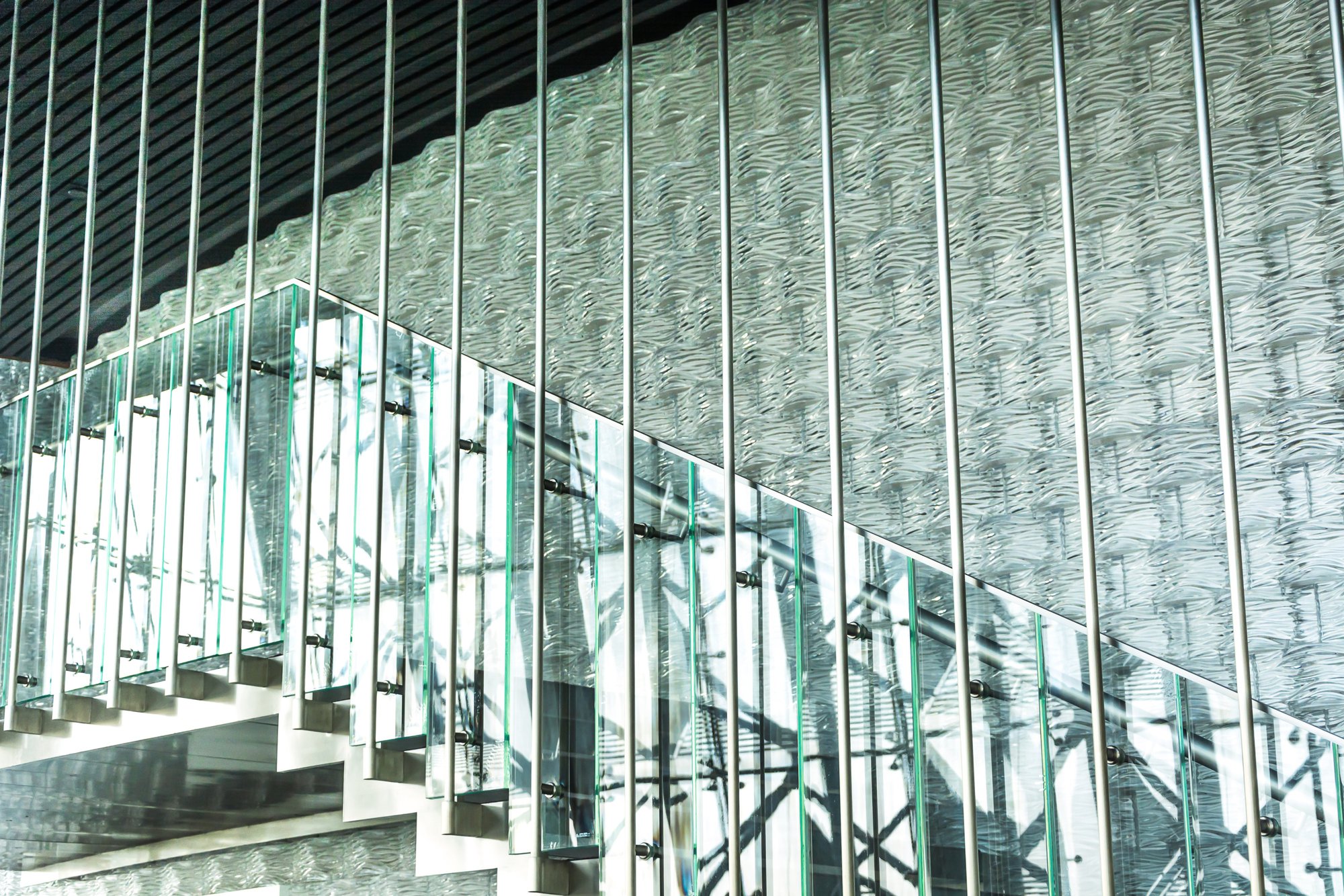
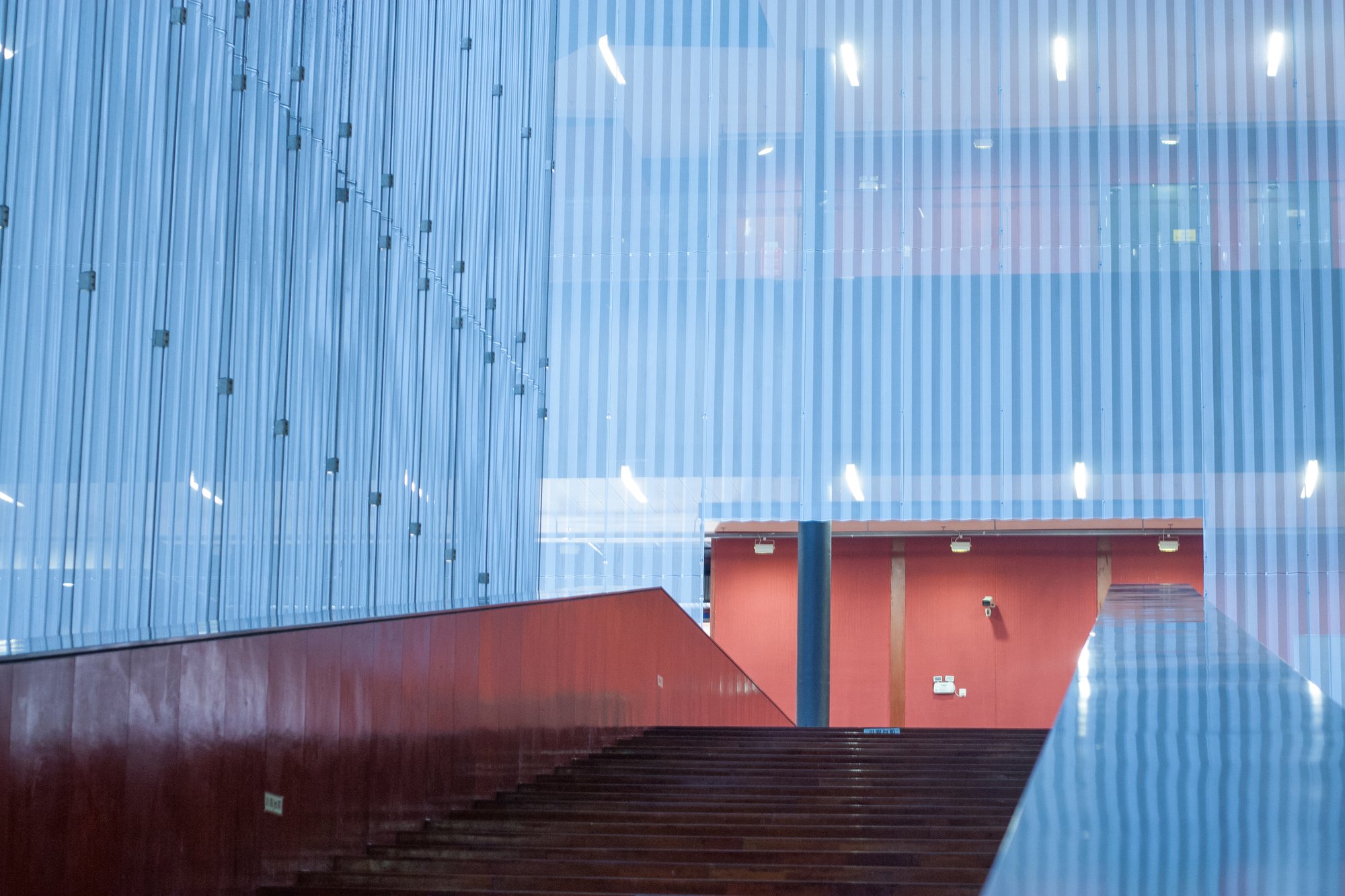
Reeded glass is a type of patterned or textured glass featuring parallel, vertical ridges pressed into its surface during manufacturing. The ridges run consistently across the pane, creating a subtle wave effect that refracts light and softens views. This texture is formed by rolling molten glass through patterned rollers before it cools, producing a uniform surface pattern.
The result is a glass product that diffuses light rather than transmitting it clearly. Objects and figures viewed through reeded glass appear obscured, making it well suited for applications where full transparency would compromise privacy. The surface texture also adds a tactile and visual dimension that plain glass cannot offer.
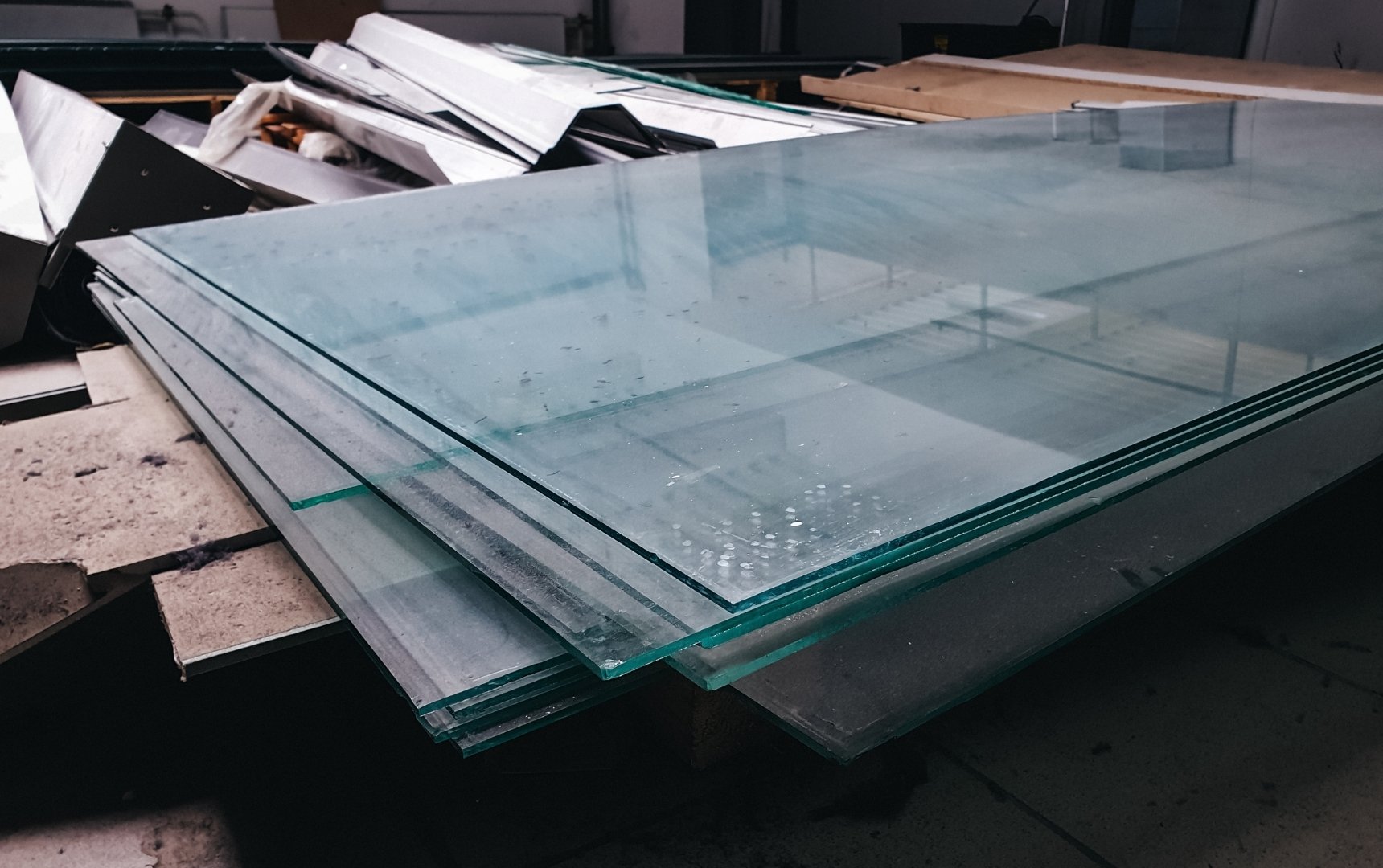
Because it is a rolled glass product, reeded glass is available in standard thicknesses and can be cut to size for various frame types and project requirements. It is compatible with most fabrication processes used in the sealed unit industry, including laminating and tempering for safety-rated applications.
Where Reeded Glass Performs Best
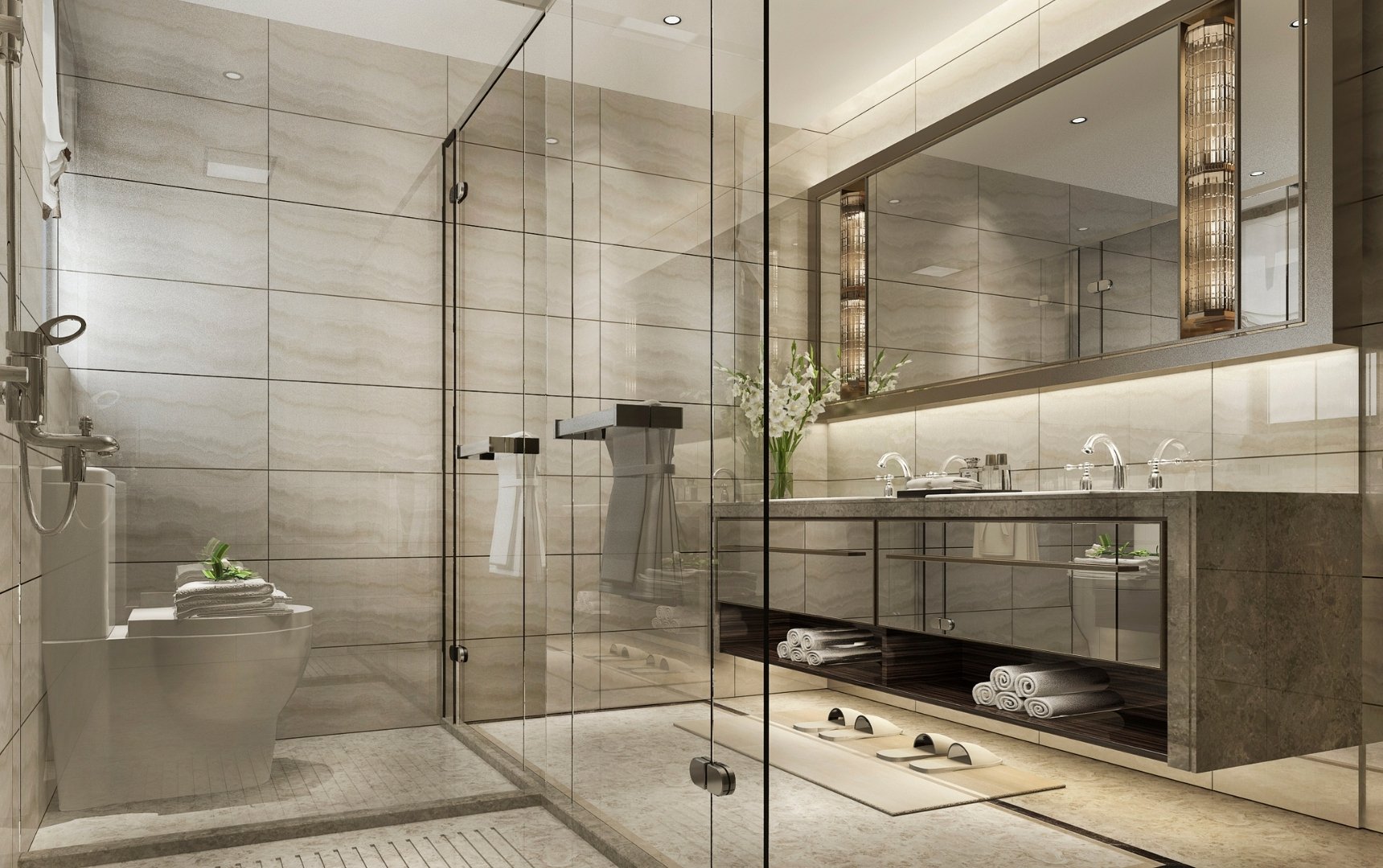
Reeded glass suits a wide range of applications in both residential and commercial settings. In homes, it is commonly specified for interior doors, sidelights, bathroom windows, and shower enclosures. The ribbed surface allows natural light to pass through while preventing clear sightlines into private spaces.
In commercial environments, reeded glass appears in office partitions, entrance doors, storefront glazing, and decorative interior panels. The texture creates a layered visual effect that adds depth and interest to otherwise plain glass installations. It also allows businesses to maintain an open, light-filled environment while still defining separate areas within a space.

Architects and designers often choose reeded glass when a project calls for character and visual interest. The consistent ribbed pattern references industrial and mid-century design influences that remain popular in modern architecture. Its versatility makes it a reliable option across a broad range of design styles and building types.
Reeded Glass in Insulated Glass Units
One of the most important developments for reeded glass in modern construction is its compatibility with insulated glass unit manufacturing. Using reeded glass as a component in a sealed unit allows projects to benefit from both its decorative qualities and the thermal performance that IG units provide. This combination meets the energy efficiency requirements that apply to most contemporary residential and commercial builds.
In a sealed unit, reeded glass is typically used as the interior pane, with the textured surface facing inward. The outer pane can be a standard clear glass or a Low-E coated glass depending on the thermal and solar control requirements of the project. The two panes are separated by a spacer system, and the cavity is sealed and may be filled with argon gas to further enhance insulation.
Combining reeded glass with Low-E coatings and argon fill gives contractors and window manufacturers a product that performs well on energy audits without sacrificing the visual character of the installation. The sealed unit construction also protects the textured surface from dirt, condensation, and cleaning abrasion over the life of the product.
Reeded Glass Safety Considerations
Safety requirements apply to reeded glass in the same way they apply to any glazing installed in hazardous locations. Building codes in Canada require safety glazing in areas such as sidelights, low-level glazing, and certain interior applications. When reeded glass is used in these locations, it must meet the same standards as tempered or laminated safety glass.
Tempered reeded glass offers the impact resistance and controlled breakage pattern required by safety glazing standards. Laminated reeded glass provides an alternative where the interlayer holds glass fragments in place after breakage. Both options are available to meet code requirements without altering the visual characteristics of the patterned surface.
Specifying the correct safety treatment for reeded glass from the outset avoids costly revisions during inspections or project close-out. Working with a sealed unit manufacturer that understands both the decorative and structural requirements of reeded glass helps ensure the finished product meets all applicable standards.
How to Specify Reeded Glass for a Glazing Project
Specifying reeded glass requires attention to pattern direction, thickness, and intended application. Most reeded glass is supplied with vertical ridges as the default orientation, though horizontal orientation may be available depending on the supplier. Confirming the ridge direction before ordering ensures the finished installation matches the design intent.

Thickness selection depends on the frame system and any applicable load or safety requirements. Standard thicknesses for reeded glass range from 4 mm to 6 mm, though availability varies by supplier and order volume. For sealed unit applications, the thickness of the reeded pane must be factored into the overall unit configuration alongside the spacer width and second pane.
Lead times for reeded glass can differ from those for standard clear glass, particularly for large or custom orders. Coordinating with the sealed unit manufacturer early in the project timeline helps avoid delays at the fabrication stage. Providing accurate dimensions, quantity, safety treatment requirements, and unit specifications upfront streamlines the ordering process.
Reeded Glass Sealed Units from Insul-Lite Manufacturing™
Insul-Lite Manufacturing™ offers a wide range of IG glass units incorporating decorative glass options, including reeded glass. Our team can help determine the right unit configuration based on project specifications and code requirements. We are equipped to handle both standard and custom orders with reliable turnaround times.
Contact us today to discuss your next reeded glass sealed unit order and get a quote from our team.