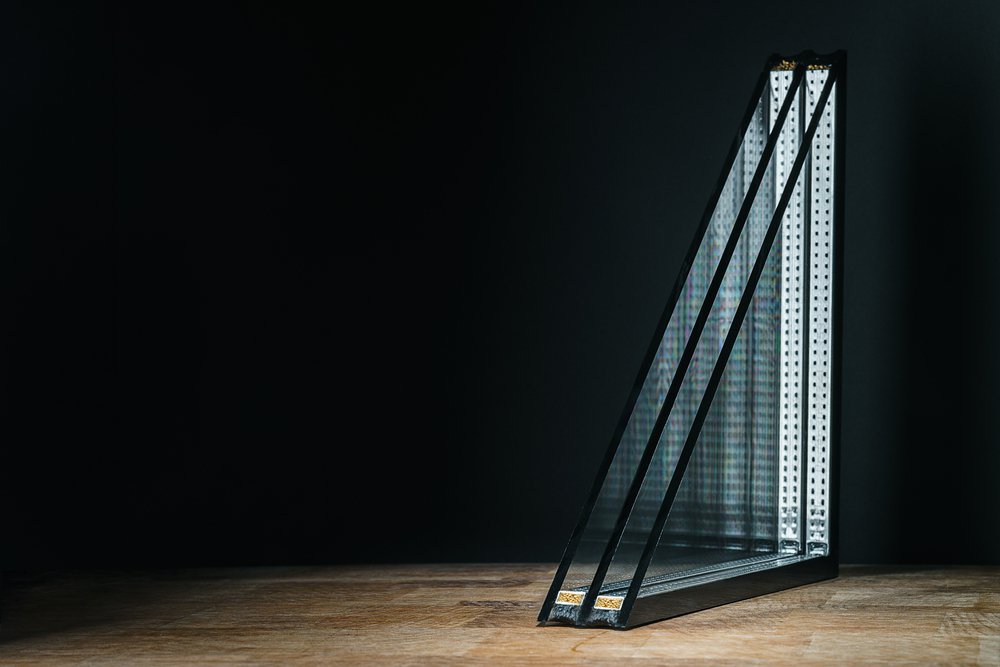
Sealed units rarely fail suddenly; instead, performance shifts quietly while internal components deteriorate over extended periods. Early degradation in sealed units often reduces insulating efficiency, even though visual glass clarity appears unchanged initially. Unnoticed performance loss may continue long before moisture or condensation becomes visible.
Overlooked warning signs can allow energy waste, occupant discomfort, and operational costs to increase gradually. Proactive evaluation helps contractors and building owners schedule replacements thoughtfully rather than reacting under pressure. Ultimately, early awareness supports better planning, reduced disruption, and improved long term building performance.
Early Warning Signs in Sealed Units
Seal degradation often begins at a microscopic level, allowing gas loss while visible condensation has not yet appeared. Meanwhile, sealed units may lose thermal efficiency even though the glass surface appears perfectly clear. Such performance decline often occurs months before any aesthetic changes signal potential issues.

Several key factors indicate early seal stress in sealed units:
- Microscopic Seal Cracks – Small fissures in the sealant allow gas to escape without forming visible fog.
- Thermal Performance Loss – Reduced insulation occurs even when the glass surface remains visually intact.
- Spacer Fatigue – Expansion and contraction from temperature changes gradually weaken perimeter spacers.
- Interior Comfort Variations – Slight drafts or cooler zones may appear near window openings.
- Minor Condensation Patterns – Early moisture accumulation along edges can indicate beginning seal failure.
Additionally, recognizing these warning signs allows for proactive inspection and planning before full unit replacement becomes necessary. Consequently, addressing issues early minimizes energy loss, prevents further deterioration, and extends the lifespan of sealed units.
Temperature Fluctuations Create Ongoing Mechanical Stress
Daily temperature changes cause glass panes and spacers to expand and contract repeatedly. Over time, such movement places cumulative strain on sealant materials surrounding insulated assemblies. Consequently, elasticity decreases, increasing vulnerability to gradual seal degradation.
Furthermore, climate extremes accelerate wear compared with stable temperature environments Similarly, buildings in regions with freeze thaw cycles experience higher long term seal fatigue. Sealed units in such climates require closer performance monitoring, and inspections are often most effective in fall, before winter weather intensifies.
Importantly, inspection timing influences the ability to detect temperature related issues accurately. For instance, seasonal evaluation ensures stress patterns become visible before significant damage occurs. Accordingly, sealed units benefit from planned assessments aligned with local climate exposure.
Performance Decline Affects Comfort and Energy Control
Minor comfort changes often represent the earliest impact of declining glazing performance. Interior spaces may require additional heating or cooling to maintain consistent temperatures. As efficiency declines, sealed units contribute less to thermal stability, potentially increasing operational costs.
Simultaneously, HVAC systems may compensate through longer operating cycles. Increased runtime raises energy consumption while masking glazing related inefficiencies. Energy trends can reveal issues before visible failure occurs, especially when premium sealed units are employed for efficiency benefits.
Moreover, daylight behavior may subtly shift as coatings lose optimal support. Similarly, solar gain control depends on internal conditions remaining stable, particularly when using sealed units designed to maximize natural light. Sealed units play a critical role in managing light and heat balance throughout occupied spaces.
Moisture Intrusion Risks Extend Beyond Condensation
Moisture penetration in sealed units does not always present as immediate fogging between panes. Small amounts of water vapor can quietly enter compromised units, affecting internal components over time. Unchecked moisture can gradually reduce clarity, efficiency, and long-term performance of the glass assembly.
Common moisture-related risks affecting sealed units include:
- Internal Corrosion – Moisture trapped inside the unit can corrode spacer bars and metallic coatings.
- Staining or Discoloration – Water infiltration may cause visible streaks or spots inside the glass panes.
- Frame Material Damage – Moisture migration can warp wooden frames or corrode metal window components.
- Reduced Insulation Efficiency – Compromised seals allow gas escape, lowering the unit’s thermal performance.
- Structural Compromise – Prolonged moisture exposure can weaken the overall window assembly integrity.
Furthermore, early identification of these risks allows for timely intervention before extensive damage occurs. Addressing moisture issues proactively helps maintain comfort, energy efficiency, and the longevity of eco-friendly sealed units.
Replacement Timing Shapes Cost and Disruption for Sealed Units
Planned replacement allows scheduling during low occupancy periods. Such coordination reduces disruption while improving installation efficiency. Conversely, reactive replacement often increases logistical challenges and associated costs.
Moreover, predictable timelines help contractors manage labor and fabrication capacity. In addition, advance planning supports consistent quality control across replacement projects. As a result, replacements integrate smoothly into ongoing maintenance strategies.
Financially, proactive replacement protects long term asset value. Meanwhile, delayed response may trigger cascading failures across adjacent glazing systems. Scheduling considerations directly affect operational efficiency and cost outcomes.

Proactive Assessment Enhances Sealed Units Reliability
Routine inspections identify early warning indicators before functional failure occurs in sealed units. Additionally, visual checks, thermal imaging, and performance tracking provide reliable insights for predicting potential issues. Sealed units can be addressed before emergency conditions develop, reducing downtime and repair costs.
Documentation of age, exposure, and prior performance improves prioritization accuracy. Recorded trends guide replacement sequencing based on risk rather than appearance. Therefore, sealed units receive attention where deterioration probability is highest.
Operational continuity also improves through proactive assessment programs. Similarly, unexpected failure often coincides with extreme weather conditions. As a result, preventative review reduces downtime linked to sealed units failure.
Reliable Replacement Support When Failure Signs Appear
Early recognition allows building teams to plan replacement before performance declines accelerate further. Manufacturing consistency and dependable turnaround remain essential during scheduled replacement cycles. Partner reliability directly affects project efficiency and long term results.
Insul-Lite Manufacturing™ produces sealed units with precision, quality control, and responsive turnaround capabilities. Our experience supporting glazing contractors and glass shops helps reduce downtime during planned replacements. Contact Insul-Lite Manufacturing™ when early sealed unit failure indicators require timely manufacturing support.