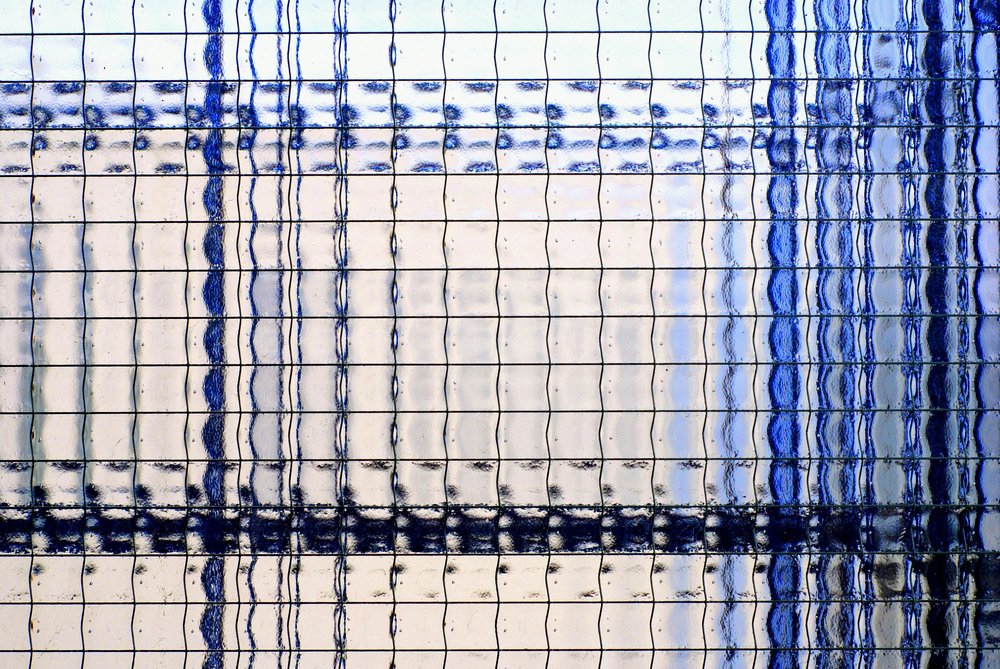
Selecting the correct fire-resistant glass is essential because unsuitable glazing increases risks during high intensity fire events. Architects and contractors must evaluate how fire-resistant glass performs when exposed to rapid temperature changes. Project teams strengthen safety when they examine performance data instead of relying on assumptions.
Modern buildings require glazing systems capable of maintaining integrity under extremely demanding conditions. Incorrect glass selection often introduces vulnerabilities that compromise evacuation routes unexpectedly. Stakeholders benefit when they understand how specification decisions influence long-term building resilience.
Fire-Resistant Glass Performance and Safety Risks
Occupants expect glazing systems to remain stable throughout intense heat cycles during fire emergencies. Incorrectly rated materials may fracture prematurely and allow flames to move quickly through interior areas. Breakage increases evacuation difficulty when visibility drops and conditions worsen rapidly.

Emergency response strategies depend on controlled compartmentalization to slow the movement of heat. Weak fire-resistant glass creates gaps that reduce the effectiveness of suppression efforts significantly. Reliable materials help maintain protective boundaries during critical periods.
Laboratory testing establishes predictable behaviors for glazing subjected to aggressive thermal exposure. Certified materials retain their integrity for the duration required by safety standards. Understanding the differences between fire-resistant glass and fire-rated glazing systems helps project teams ensure safety expectations are met consistently.
Fire-Resistant Glass Compliance and Cost Implications
Building codes define strict thresholds for fire performance across doors, partitions, stairwell enclosures, and exit routes. Compliance requires glazing that meets verified time-based fire ratings confirmed through standardized testing. Inspectors frequently reject assemblies lacking clear documentation that demonstrates proper performance.
Contractors sometimes encounter costly delays when glass fails to satisfy regulatory requirements. Replacement work disrupts schedules and increases installation complexity throughout the project timeline. Budget pressure intensifies when non-compliant materials require immediate removal.
Evaluating requirements for code-compliant fire-resistant glazing ensures materials meet legal and safety standards while reducing long-term expenses. Substandard glass often deteriorates quickly, resulting in frequent maintenance or early replacement. Selecting reliable materials protects both safety and budget considerations simultaneously.
Property Damage and Smoke Infiltration
Interior fire damage expands quickly when glazing fails to hold back heat during severe exposure. Fire-resistant glass helps slow thermal transfer so suppression efforts remain effective for longer periods. Failures often allow flames to penetrate adjacent rooms and amplify structural degradation.
Smoke infiltration creates some of the most extensive losses during fire incidents. Incorrect glazing may crack early and permit smoke to circulate freely across occupied sections. Sensitive materials or equipment often sustain significant harm when containment measures collapse.
Strong compartmentalization depends on glazing that maintains its rating under extreme heat. Properly matched fire-resistant glass supports controlled fire behavior and limits widespread interior destruction. Considering fire-resistant glass principles that balance safety with modern design helps architects protect assets without sacrificing visual appeal.
Installation Risks and Performance Issues
Installation quality directly influences whether fire-resistant glass performs as intended during emergencies. Alignment issues, gaps, or unsuitable framing reduce the overall effectiveness of rated assemblies. Skilled installation helps preserve the integrity of tested systems.
Proper installation requires careful attention to several critical factors. Each step directly impacts the glass’s ability to maintain its fire rating. Evaluating these elements reduces the risk of failures during emergencies.
Key installation considerations include:
- Precise alignment and spacing to ensure the glass remains stable under extreme heat exposure.
- Secure framing and fastening to prevent delamination, cracking, or unexpected movement during fire events.
- Correct sealing and edge protection to maintain the fire-resistant rating and limit smoke infiltration.
- Compliance with manufacturer installation instructions to guarantee tested performance standards are consistently met.
- Inspection and verification after installation to identify potential weaknesses and confirm system integrity.
Addressing these installation factors reduces the risk of glass failure during emergencies. Careful execution ensures fire-resistant glass performs reliably, protecting occupants and property as intended.
Design Limitations and Architectural Impact
Architects prefer materials that support both visual appeal and required protective capabilities. Improper glazing often restricts design flexibility because it cannot achieve necessary thermal performance. High-quality fire-resistant glass offers safety without undermining architectural intent.
When selecting fire-resistant glass, several design factors must be carefully considered. Attention to these elements ensures both safety performance and architectural vision are maintained. Proper planning avoids costly design compromises and installation challenges.
Key design considerations include:
- Glass size and layout to ensure fire-resistant panels maintain structural integrity while meeting aesthetic goals.
- Transparency and visual consistency so safety features do not compromise open or modern design intent.
- Integration with architectural systems including partitions, doors, and framing, to preserve both safety ratings and design cohesion.
- Compatibility with interior finishes to prevent thermal stress and maintain long-term durability of the glass system.
- Lighting and glare management to ensure protective glazing does not interfere with occupant comfort or energy efficiency.
Teams gain efficiency when considering methods for integrating protective glazing without sacrificing design. Strong fire-resistant materials support innovation while maintaining required safety performance.

Ensuring Proper Material Selection Enhances Longevity
Substandard materials deteriorate quickly under fluctuating temperatures or environmental stress, increasing replacement costs significantly. Long-term building performance relies on fire-resistant glass capable of maintaining rated protection consistently. Maintenance challenges are reduced when glass meets tested durability standards.
Incorrect installation can compromise even high-quality materials, reducing expected fire endurance considerably. Skilled installation ensures glazing behaves predictably during emergency conditions and preserves its safety rating. Alignment, framing, and sealing must follow exact manufacturer guidelines to maintain integrity.
Durability and proper material selection directly influence overall project lifecycle costs and building safety. Using verified fire-resistant glass minimizes the frequency of repairs or unexpected replacements. Teams benefit from solutions that combine tested performance with predictable long-term results.
Maximizing Safety with Fire-Resistant Glass
Insul-Lite Manufacturing™ delivers high-quality fire-resistant glass solutions that ensure buildings remain safe during critical fire events. Their team provides expert guidance, accurate specifications, and dependable material quality for diverse construction projects. Choosing these reliable materials supports long-lasting safety and protects occupants effectively.
Secure your building with top-tier fire-resistant glass solutions and receive guidance on selection, specification, and installation for maximum protection. Their specialists ensure your glazing systems perform reliably while meeting all safety standards. Connect with experts today to safeguard your building and occupants for years to come.