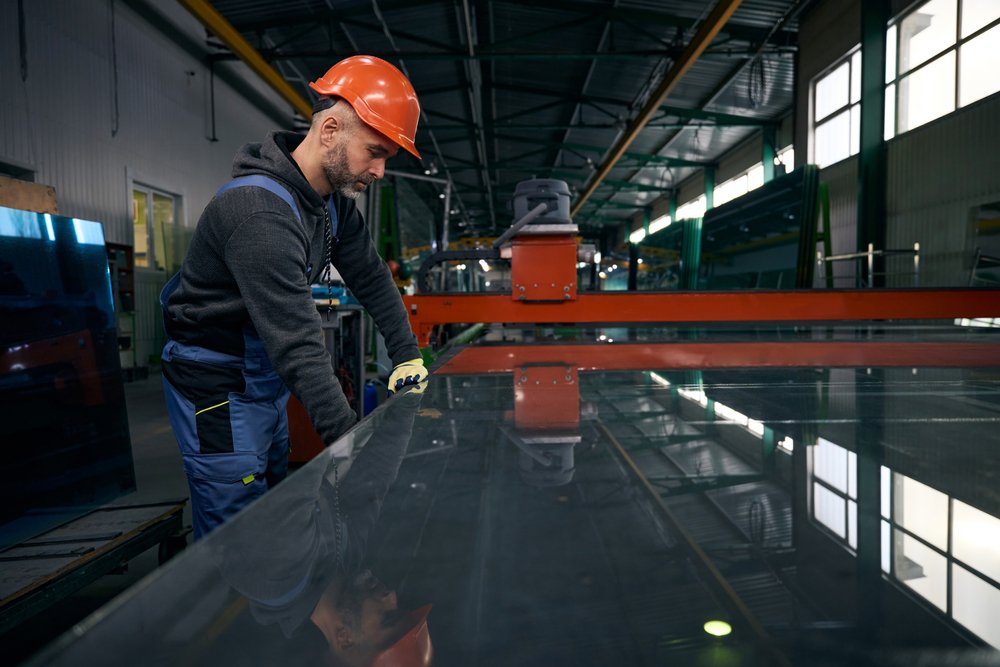
**NOTE: Protective film should only be used for the temporary protection of the glass during shipping and construction. Once it is deemed safe, this film will then need to be removed from the glass. No permanent film should be applied to the exterior or interior surface of an insulated glass unit.**
Glass surfaces are highly susceptible to scratches, chips, and other damage if left unprotected during manufacturing, shipping, or installation. That’s why protective film application plays a critical role in preserving the visual appeal of glass products. Professionals in the industry know that skipping this step can lead to costly delays and wasted materials.
When glass units arrive damaged, project timelines are disrupted and additional labor costs pile up as replacements are ordered and installed. Contractors and manufacturers face unnecessary stress and resource drains when quality inspections fail. By implementing protective measures early, businesses can safeguard their products while maintaining efficiency and client satisfaction.
Protective Film Application to Prevent Surface Scratches and Handling Risks
Surface scratches remain one of the most common consequences of skipping protective film application. Unprotected glass frequently suffers abrasions from forklifts, carts, and stacking during transport. Consequently, even minor scratches can necessitate complete replacement to meet project standards.

The use of protective film application minimizes direct contact with abrasive materials and reduces friction between glass sheets. Handling errors become less consequential when a film absorbs potential scratches. Industry best practices for applying protective films demonstrate how proper techniques prevent surface damage efficiently.
Contractors must consider protective film application as a critical risk mitigation tool during on-site handling. Failing to apply proper protection often increases labor hours needed to carefully manage unprotected sheets. Integrating film solutions reduces both risk and operational strain on installation teams.
Breakage and Cost Implications
Neglecting protective film application increases the probability of breakage during shipping and installation. Fragile glass, especially larger insulated units, is vulnerable to impact damage without an added protective layer. As a result, projects may face delays while sourcing replacements, significantly raising total expenses.
Damage control after breakage includes labor-intensive removal, disposal, and the added purchase of new glass panels. Protecting units at the production and shipping stages avoids these cascading costs. Protective film application during transport and installation plays a key role in mitigating unexpected expenses.
In addition to direct costs, breakage can affect contractual deadlines and client trust. Project setbacks from damaged glass often disrupt coordination between multiple trades on-site. Preventative protective film application ensures reliable delivery schedules and sustained professional credibility.
Protective Film Application for Maintaining Glass Quality and Inspection Success
Glass products must meet stringent inspection criteria for appearance, strength, and clarity. Protective film application supports compliance by reducing the likelihood of defects caused during handling or transit. Therefore, units arrive in a condition that aligns with architectural and manufacturing standards.
Inspection teams benefit from smoother assessments because fewer scratches and chips exist on protected surfaces. High-quality results contribute to positive client feedback and repeat business opportunities. Enhancing glass durability with protective films ensures predictable quality and fewer inspection issues.
Adopting protective film application as a standard operating procedure reinforces organizational quality control. Contractors and manufacturers alike save time by avoiding corrective measures and rework. Reliable product quality enhances reputation and operational efficiency simultaneously.
Labor and Material Cost Management
Skipping protective film often translates to higher labor expenditures on-site. Workers spend additional hours handling damaged glass carefully to prevent further incidents. Corrective action may also require extra materials for temporary fixes or replacements.
Protective film offers specific benefits that directly reduce labor and material costs:
- Reduces labor hours spent carefully managing unprotected glass sheets
- Minimizes material waste by preventing damaged units that require replacement
- Protects both functional integrity and aesthetic appearance of glass
- Improves workflow efficiency for installation and handling teams
- Prevents unexpected project delays caused by damaged glass
Incorporating these protective measures consistently results in cost savings and smoother operations. Using protective film application ensures both labor and material efficiency while maintaining product quality.
Efficiency and Project Timelines
Time is a critical factor in glass installation projects, and damage from neglected protection causes substantial delays. Replacing compromised glass interrupts workflows and extends project deadlines unnecessarily. Applying protective film helps maintain momentum and reduces downtime.
Projects benefit from reduced interruptions when protective measures prevent damage during transport and handling. Faster completion improves client satisfaction and allows better resource allocation across multiple tasks. Ultimately, consistent use of protective film application contributes directly to on-time project delivery.
Reliable timelines also foster stronger relationships between manufacturers, contractors, and clients. Maintaining predictable schedules enhances trust and professional reputation. Preventing delays with proper protective measures therefore offers strategic advantages beyond immediate cost savings.

Long-Term Durability and Protective Film Solutions
Protective film significantly improves glass longevity by preventing micro-abrasions that occur during handling and transport. Maintaining consistent surface protection helps preserve both the structural integrity and aesthetic quality of glass over time. Implementing proper protective measures reduces the likelihood of early failure or deterioration in all types of glazing projects.
Selecting the right protective film requires careful consideration of multiple factors to ensure optimal durability and performance:
- Evaluate thickness and adhesion for maximum protection against scratches, chips, and minor impacts
- Choose UV-resistant films to reduce fading and maintain long-term surface quality
- Ensure compatibility with various glass types, coatings, and spacer materials in production
- Consider environmental durability, including resistance to moisture, temperature fluctuations, and humidity
- Integrate films that support insulation and thermal performance while complementing design specifications
Proper selection and application of protective film contribute to long-lasting glass performance and minimal maintenance needs. Consistently implementing protective film application ensures immediate protection and sustained durability throughout the project lifecycle.
Protecting Glass Investment
Prioritizing protective film application consistently supports better performance, reduced damage, and higher confidence in every glass installation. Sustained protection minimizes scratches, breakage, and costly rework, helping teams maintain quality while preserving overall efficiency. Insul-Lite Manufacturing™ reinforces these outcomes through reliable processes that keep glass secure from production to delivery.
Operational success strengthens when protection protocols are implemented early and maintained across the entire supply chain. Consistent preventive measures help ensure smoother timelines, stronger professional credibility, and long-term durability for glazing projects. Contact us to safeguard your next project with proven protective solutions.